Prescription Eyeglass Lens Types and Their Prices
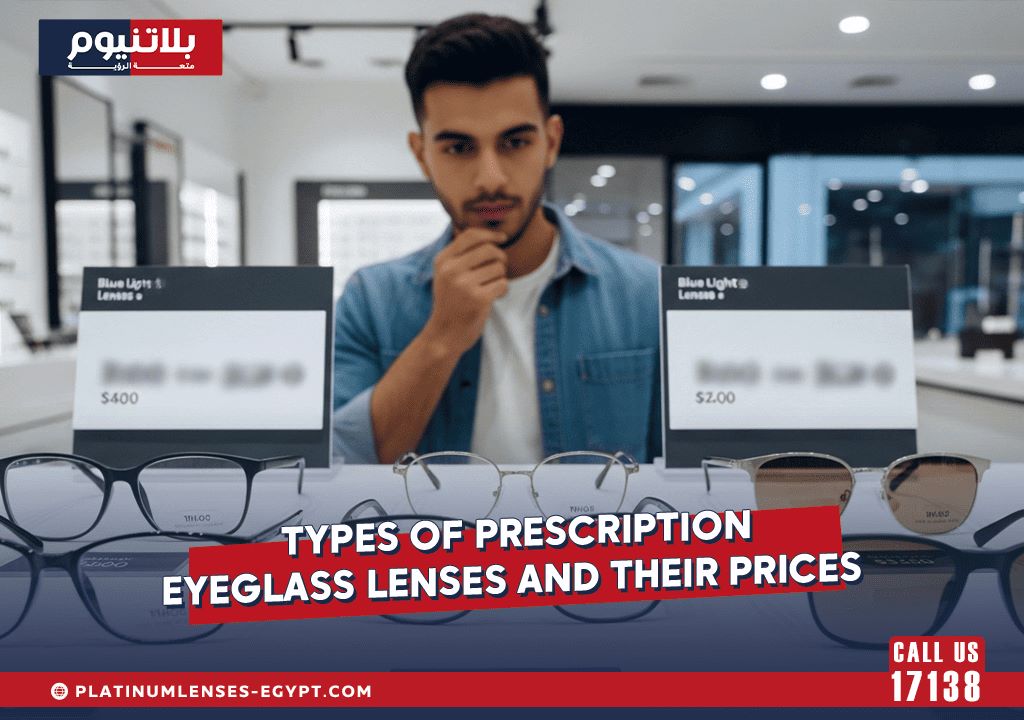
أنواع العدسات الطبية للنظارات كثيرة، وأشهرها: أحادية البؤرة، بايفوكال، بروجرسيف (متعددة البؤر بلا خط)، عدسات المكتب/الشاشات، وعدسات إدارة قصر النظر عند الأطفال. يختلف السعر حسب المادة (بلاستيك قياسي/بولي كربونات/تريفيكس/High Index)، والتصميم، والطلاءات (مضاد الانعكاس، حماية من الضوء الأزرق، فوتوكروميك). العدسة تصحّح الرؤية ولا تعالج ضعف النظر، والاختيار الصحيح يبدأ من مقاس عينك ونمط استخدامك اليومي.
ما الذي يحدد أنواع العدسات الطبية وأسعارها؟
سعر العدسة الطبية ليس رقمًا واحدًا، بل نتيجة عدة قرارات متتالية: مقاس النظارة الطبية (SPH / CYL / ADD)، ومادة العدسة، ومعامل الانكسار (Index)، والتصميم البصري، والطلاءات، إلى جانب شكل الإطار وحجمه. يمكن لشخصين يشتريان من الفرع نفسه أن يدفعا مبلغين مختلفين لأن كل عين لها احتياج مختلف.
قبل الاختيار، اقرأ الروشتة بعناية؛ وإن لم تكن الأرقام واضحة راجع دليل قراءة الروشتة خطوة بخطوة أو شرح رموز الروشتة المبسّط. فَهمك للأرقام يوفّر عليك مالًا ووقتًا وتوصيات غير مناسبة.
| العامل | معناه المبسّط | تأثيره على السعر والراحة |
|---|---|---|
| مادة العدسة | الخامة الأساسية للعدسة | تُغيّر الوزن والسماكة ومقاومة الكسر |
| معامل الانكسار (Index) | قدرة المادة على كسر الضوء | كل ما زاد قلّت السماكة وارتفع السعر |
| التصميم البصري | كيف يوزَّع المقاس على سطح العدسة | يحدد لو العدسة لبُعد واحد أو أكثر |
| الطلاءات | طبقات دقيقة تُضاف بعد التصنيع | تُحسّن الوضوح والحماية والراحة اليومية |
| مقاس الروشتة | SPH و CYL و Axis و ADD و PD | المقاسات العالية تحتاج مواد وتصاميم أدق |
| شكل الإطار | مقاس/عمق/عرض/بلا حواف | يؤثر في السماكة الظاهرة وطريقة القص |
اختيار العدسة الأرخص دون النظر لبقية العوامل قرار مُكلف على المدى الطويل: قد تشعر النظارة ثقيلة، أو تبدو حوافها سميكة جدًا، أو تُتعب عينك مع الشاشة. لذلك ندرس مع كل عميل داخل فروع بلاتنيوم الاستخدام اليومي قبل ترشيح النوع.
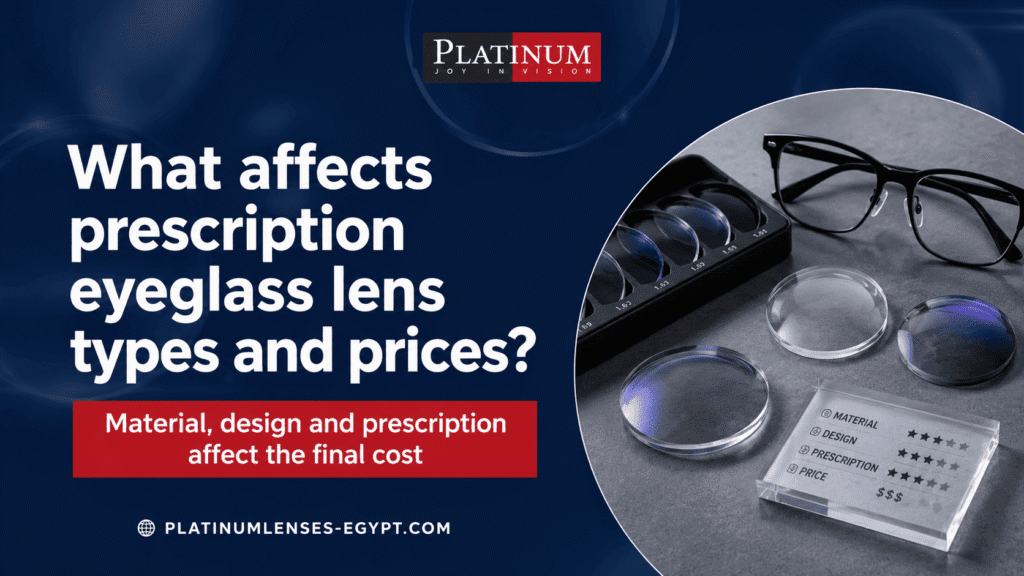
ما هي مواد العدسات الطبية وأيها أنسب لك؟
المادة هي الطبقة الأولى في القرار، لأنها تحدد الوزن، السماكة، ومقاومة الكسر. لا يوجد مادة “أفضل مطلقًا”؛ الأفضل هو ما يناسب مقاسك، إطارك، ونمط حياتك.
العدسات البلاستيكية القياسية (CR-39)
مادة CR-39 من أقدم البدائل الحديثة للزجاج. توفّر وضوحًا جيدًا ووزنًا أخف من الزجاج، وتقبل الصبغ للألوان والنظارات الشمسية الطبية. تناسب المقاسات الخفيفة والمتوسطة، لكنها تبدأ في الظهور سميكة حول الحواف مع المقاسات المرتفعة، خاصة في الإطارات المعدنية أو الرفيعة.
عدسات البولي كربونات (Polycarbonate)
تشتهر بأنها مقاومة للكسر والصدمات وأخف من CR-39 بحوالي 25%. لذلك تُنصح للأطفال، للرياضيين، ولمن يستخدم إطارات نصف مفرغة أو Rimless. تحتاج البولي كربونات دائمًا إلى طلاء مقاوم للخدش وطلاء مضاد للانعكاس لتحسين الوضوح البصري، لأن معامل ABBE فيها أقل قليلًا، ما يعني احتمال ظهور تشتّت لوني بسيط عند الأطراف مع المقاسات العالية.
عدسات التريفيكس (Trivex)
مادة أحدث تجمع بين الخفة، الوضوح، ومقاومة الكسر. معامل ABBE فيها أعلى من البولي كربونات، فتعطي رؤية أنقى عند الأطراف. مناسبة لمن يقضي ساعات طويلة أمام الشاشة أو مع النظارات الرياضية والإطارات الحساسة. سعرها أعلى من البلاستيك القياسي، لكنها استثمار جيد في الراحة اليومية.
عدسات High Index (رقيقة الوزن)
تأتي بمعاملات انكسار 1.60 و 1.67 و 1.74. كلما ارتفع الرقم، قلّت السماكة والوزن مع نفس المقاس البصري. هذه المادة الحل الطبيعي للمقاسات المرتفعة — سواء قصر نظر عالٍ أو طول نظر مرتفع أو استجماتيزم كبير — ولتحقيق شكل نظيف وأنيق في الإطارات المعدنية والرفيعة. تعمل High Index بأفضل صورة عند إضافة طلاء مضاد للانعكاس، لأن المواد عالية الانكسار تعكس ضوءًا أكثر بطبعها. لمزيد من التفاصيل راجع دليل سماكة العدسات قبل الاختيار.
الزجاج (Glass) — لماذا لم يعد شائعًا؟
الزجاج يمنح وضوحًا ممتازًا وأقل قابلية للخدش، لكنه ثقيل وقابل للكسر بشكل خطير. لذلك تراجع استخدامه لصالح المواد البلاستيكية الحديثة، ولا نرشحه إلا في حالات نادرة جدًا بناءً على استشارة مباشرة داخل الفرع.
| المادة | معامل الانكسار | المقاس الأنسب | مزايا مختصرة |
|---|---|---|---|
| CR-39 قياسي | 1.50 | حتى ±2.00 تقريبًا | سعر مناسب، وضوح جيد، يقبل الصبغ |
| بولي كربونات | 1.59 | حتى ±4.00 مع كسر ضعيف | خفيف، مقاوم للصدمات، مناسب للأطفال والرياضة |
| تريفيكس | 1.53 | مقاسات متوسطة مع راحة عالية | ABBE عالٍ، وضوح ممتاز عند الأطراف |
| High Index 1.60 | 1.60 | من ±3.00 إلى ±5.00 | أرق من القياسي بوضوح |
| High Index 1.67 | 1.67 | من ±5.00 إلى ±7.00 | فرق سماكة كبير مع الإطارات النحيفة |
| High Index 1.74 | 1.74 | أكثر من ±7.00 | الأرق تجاريًا، يلزم معه AR جيد |
المدى السعري في السوق المصري يبدأ من مبالغ رمزية لعدسات CR-39 القياسية، ويصعد تدريجيًا مع كل قفزة في معامل الانكسار أو إضافة طلاء متقدم. للسعر المؤكد تواصل مع أقرب فرع لأن الأسعار تتغير حسب المقاس والإطار.
ما هي أنواع العدسات الطبية من حيث التصميم؟
المادة تتحكم في السماكة والوزن، أما التصميم فيتحكم في كيف ترى. هذا الجزء غالبًا ما يُغفله المشتري رغم أنه أهم قرار عملي.
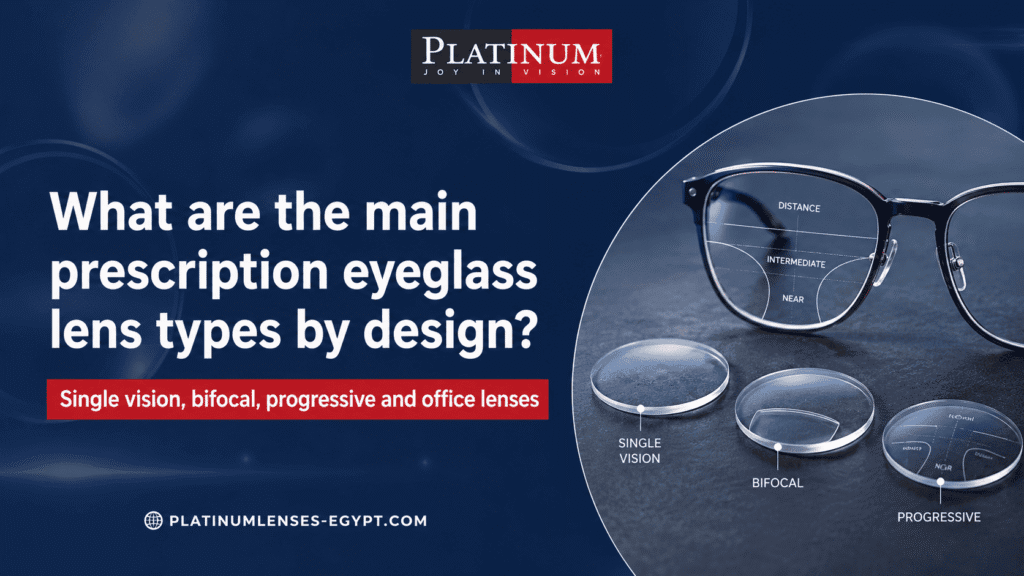
1. العدسات أحادية البؤرة (Single Vision)
كل نقطة على سطح العدسة تحمل نفس المقاس، وتُستخدم لتصحيح البُعد فقط، أو القرب فقط، أو الاستجماتيزم. تناسب الأطفال، طلاب الجامعة، السائقين اليوميين، ومن هم أقل من 40 عامًا في الغالب. عدسات بلاتنيوم مثل HD UT تستخدم تصميمًا رقميًا (Digital Freeform) يمنح رؤية أوضح عند حواف العدسة وشكلًا أنعم في الإطار.
2. العدسات ثنائية البؤرة (Bifocal)
تحتوي منطقتين برقمين مختلفين وبينهما خط ظاهر: الأعلى للرؤية البعيدة، والأسفل للقراءة. كانت شائعة قبل ظهور البروجرسيف، ولا تزال خيارًا اقتصاديًا لبعض المرضى بعد استشارة الأخصائي. عيبها البصري: القفزة المفاجئة عند الخط الفاصل، وعدم وجود منطقة وسطى للشاشة.
3. العدسات متعددة البؤر (Progressive / بروجرسيف)
الأكثر ذكاءً تصميميًا اليوم: انتقال ناعم بلا خط بين البُعد، ثم المسافة المتوسطة (الشاشة)، ثم القراءة. تُصمَّم رقميًا وفق نقطة العين ومقاس الإطار.
- X-Tend من بلاتنيوم: منطقة قراءة أوسع وانتقال متوازن، مناسبة للاستخدام العام.
- X Perience T: تستخدم تقنية Digital Ray-Path 2 لتقليل التشوّه على الأطراف، وتناسب من يقود كثيرًا أو يعمل بين شاشة وأوراق باستمرار.
البروجرسيف يحتاج فترة تأقلم قصيرة (أيام إلى أسبوعين) ودقة في القياسات (PD, Fitting Height). راجع فريقنا في فروع بلاتنيوم لضبط النقاط بدقة.
4. عدسات المكتب/الشاشات (Office / Occupational)
مصممة للعمل من نصف متر حتى مترين تقريبًا: أفضل من نظارة القراءة العادية لأنها توفّر مجال شاشة أوسع بكثير، وأفضل من البروجرسيف داخل المكتب لأنها تلغي منطقة البُعد ولا تُجبرك على رفع الرقبة. مناسبة للمحاسبين، المبرمجين، المدرسين، والمصممين. تُقرن عادةً بفلتر ضوء أزرق مثل MIRA Blu لتقليل إجهاد النظر أمام الشاشة.
5. عدسات إدارة قصر النظر عند الأطفال (Myopia Management)
المقاس عند الأطفال قد يتزايد سنويًا. عدسات مثل Platinum Myo D مصممة لتصحيح الرؤية مع إشارات بصرية تُبطئ ارتفاع المقاس بمرور الوقت. هذا النوع قرار طبي بامتياز؛ يجب أن يُوصف بعد فحص كامل من طبيب عيون أو أخصائي بصريات مؤهل، مع متابعة كل 3–6 أشهر.
6. العدسات الشمسية الطبية والفوتوكروميك
هذه ليست تصميمًا مستقلًا، بل طبقة إضافية على أي تصميم سابق. الفوتوكروميك (Photochromic) يتغير لونها تلقائيًا مع الشمس. أما العدسات المستقطبة (Polarized) فتقلّل انعكاس الشمس على الأسفلت والماء، وهي خيار ممتاز للسائقين.
هل تعرف الفرق بين الأنواع الفرعية؟ جدول سريع
| التصميم | لمن يناسب؟ | ميّزته الرئيسية | ملاحظة |
|---|---|---|---|
| أحادية البؤرة رقمية | كل الأعمار بمقاس واحد | وضوح أعلى عند الأطراف | الأنسب للطلاب والسائقين اليوميين |
| ثنائية البؤرة | بعض حالات ما بعد 40 | تصحيح البُعد والقرب بسعر معقول | يوجد خط فاصل مرئي |
| بروجرسيف | 40+ / احتياج بُعد وقراءة وشاشة | ثلاث مسافات بلا خط | يحتاج قياس PD وارتفاع دقيق |
| مكتب/شاشات | موظفو الشاشة والمكاتب | مجال شاشة عريض جدًا | لا تصلح للقيادة والمشي |
| Myopia Management | أطفال بقصر نظر متزايد | إبطاء ارتفاع المقاس | بوصفة أخصائي فقط |
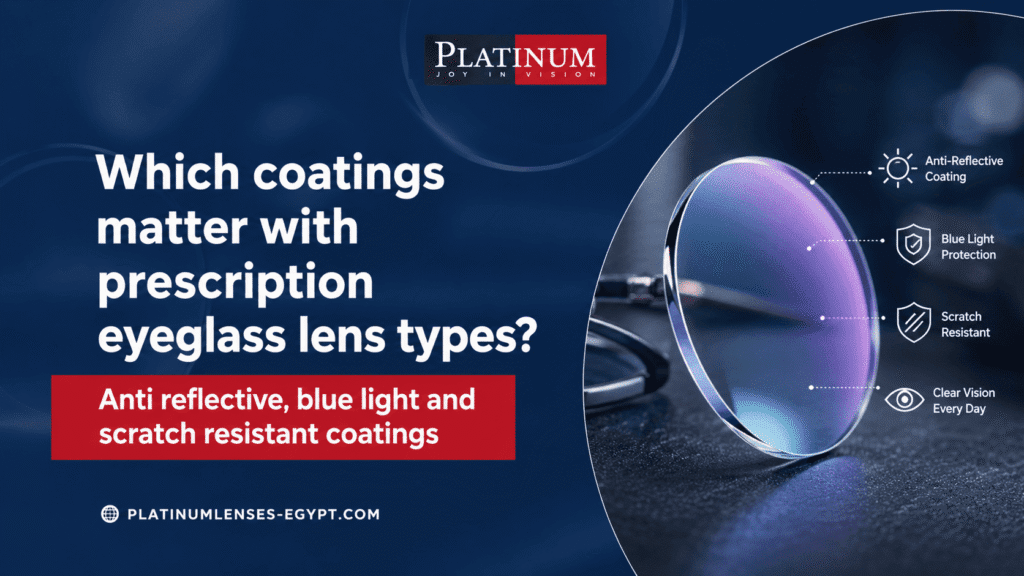
أي الطلاءات مهمة مع أنواع العدسات الطبية؟
الطلاءات هي التي تحوّل العدسة من “قطعة بلاستيك مصحّحة” إلى تجربة بصرية مريحة. اختلاف الطلاء يظهر بوضوح في القيادة الليلية، أمام الشاشة، وفي التنظيف اليومي.
| الطلاء | ما يفعله | متى ينفعك؟ |
|---|---|---|
| مضاد الانعكاس (AR/AntiReflection) | يقلّل الانعكاسات ويرفع نفاذ الضوء | الشاشة، القيادة الليلية، الاجتماعات |
| مقاوم الخدش (Hard Coat) | يحمي سطح العدسة من الحكّ اليومي | الأطفال والاستخدام المكثف |
| مقاوم الماء والزيت (Hydrophobic/Oleophobic) | يمنع لصق البصمات والغبار | الأتربة، الطقس المتقلب |
| فلتر الضوء الأزرق (Blue Light) | يقلل جزءًا من الأزرق الضار من الشاشات | العمل المكتبي، الألعاب، السهر |
| فوتوكروميك (Photochromic) | يتغيّر لونه مع الشمس | من يخرج ويدخل باستمرار |
| مضاد ضباب (Anti-Fog) | يمنع تكوّن الضباب مع تغيّر الحرارة | فصل الشتاء، الكمامة، المطاعم |
| تقليل وهج الليل | يخفف الهالات حول أضواء السيارات | سائقي الليل والطرق السريعة |
قد تلاحظ أن بعض العدسات تُظهر انعكاسات ملوّنة على السطح. هذا طبيعي وله تفسير علمي مبسّط شرحناه في لماذا توجد انعكاسات حول العدسات الطبية؟ قبل أن تُقلق نفسك من “عيب” في العدسة.
كيف تخدم عدسات بلاتنيوم كل نوع من الاحتياجات؟
نحن في بلاتنيوم لا نبيع “قطعة بلاستيك”؛ نبيع حلًا بصريًا مركّبًا يبدأ من فحص الروشتة وحتى تسليم النظارة النهائية. لكل نوع من الاحتياجات عندنا خط عدسات موازٍ.
| الاحتياج | العدسة المرشحة | لماذا هذا الاختيار؟ |
|---|---|---|
| رؤية أحادية بمقاس بسيط ومظهر رفيع | HD UT | تصميم رقمي مع خيارات High Index |
| استجماتيزم مرتفع أو مقاسات صعبة | X Perience T | Digital Ray-Path 2 لتقليل التشوّه |
| بروجرسيف يومي متوازن | X Tend | انتقال ناعم لجميع المسافات |
| ساعات طويلة أمام الشاشة | Office Lens + MIRA Blu | مجال شاشة واسع + فلتر أزرق |
| طفل بقصر نظر متزايد | Myo D | تصميم إدارة قصر النظر تحت إشراف الأخصائي |
| نظارة يومية + شمس | فوتوكروميك على أي تصميم | راحة انتقال بين الداخل والخارج |
اختيار العدسة الصحيحة يبدأ من دراسة الروشتة مع أخصائي بصريات معتمد. عدسات بلاتنيوم مطابقة لمعايير ISO الدولية، وتخضع مقالاتنا لمراجعة الفريق الطبي وفق السياسة التحريرية.
كيف تختار بين أنواع العدسات الطبية عمليًا؟
قرار الشراء يصبح أسهل عندما تُقسّمه إلى خطوات صغيرة بدل التفكير في “أفضل عدسة” بلا معايير.
- ابدأ من فحص محدث (خلال 6–12 شهرًا) لدى أخصائي البصريات. لا تشتري بروشتة قديمة.
- حدد استخدامك الأول: شاشة؟ قيادة ليلية؟ طفل مدرسي؟ قراءة فقط؟ كل مسار يقود إلى تصميم مختلف.
- تحقّق من مقاسك: لو كان أعلى من ±3.00 ديوبتر، ابدأ التفكير في High Index مباشرة لتفادي السماكة.
- اختر الإطار بالتوازي مع العدسة، لأن الإطار المفرغ (Rimless) يفرض عليك مادة مقاومة للكسر.
- رتّب الطلاءات حسب الأهمية: مضاد الانعكاس أولاً، ثم الخدش، ثم الأزرق أو الفوتوكروميك حسب حياتك.
- قارن بين خيارين على الأقل داخل الفرع قبل الدفع، وجرّب النظارة على وجهك.
لمزيد من التفاصيل حول الشكل النهائي للنظارة راجع أفضل تصاميم النظارات الطبية 2025 ودليل اختيار العدسات الطبية الأفضل قبل أخذ القرار.
من واقع تجربتنا في فروع بلاتنيوم:
نستقبل يوميًا عملاء يشتكون من نظارة “غير مريحة” اشتروها من مكان آخر. في 8 من كل 10 حالات، المشكلة ليست في الروشتة بل في اختيار مادة أو تصميم لا يتناسب مع الإطار والاستخدام. أخيرًا أتانا مهندس برمجيات يقود لمسافات طويلة ليلًا، مقاسه −4.75 مع استجماتيزم −1.25. كانت عدساته القديمة CR-39 قياسية بلا مضاد انعكاس، فكانت السماكة واضحة والوهج مرهقًا. بعد التحويل إلى High Index 1.67 مع تصميم X Perience T ومضاد انعكاس متعدد الطبقات، وصف الفرق بأنه “قيادة بعينين مختلفتين”. هذه ليست معجزة، بل مطابقة صحيحة بين المقاس والاستخدام والمادة والطلاء.
ما الذي يحدد السعر النهائي للعدسة؟
السعر النهائي في السوق المصري يتحرك على أربعة محاور، ومعرفة كل محور تساعدك على تفصيل النظارة داخل ميزانيتك بدل تقليصها عشوائيًا:
- مادة العدسة ومعامل الانكسار: كلما ارتفع الـ Index ارتفع السعر لأن التصنيع أدق.
- التصميم البصري: أحادية البؤرة أرخص من البايفوكال، والبايفوكال أرخص من البروجرسيف الرقمي.
- الطلاءات: كل طبقة إضافية تضيف تكلفة، لكنها تُشترى بذكاء لا بجشع (لست بحاجة لكل طلاء).
- العلامة التجارية ونظام القياس: العدسات الرقمية Freeform أدق وتُخصَّص لعينك بالتحديد، فسعرها أعلى من العدسات القياسية شبه الجاهزة.
للاطلاع على مدى تفصيلي لأسعار كل تصميم على حدة، تصفّح أسعار العدسات الطبية بأنواعها. ولمقارنة الفئات الأخرى تصفح كامل قسم أنواع العدسات الطبية على مدوّنة بلاتنيوم.
تنويه سعري: الأسعار تقديرية لسوق مصر وقت النشر وتخضع للتغير. للسعر المؤكد وأحدث العروض تواصل مع أقرب فرع.
كم يدوم كل نوع من العدسات الطبية؟
عمر العدسة الطبية ليس ثابتًا لكل الأنواع، ويعتمد على المادة، الطلاء، وطريقة العناية اليومية. المتوسط العملي داخل السوق المصري يتراوح بين 12 إلى 24 شهرًا قبل الحاجة لتغييرها. الأسباب الشائعة للتغيير هي:
- تغيّر المقاس البصري بعد فحص جديد، وهو السبب الأول لدى الأطفال والمراهقين.
- تآكل طبقة مضاد الانعكاس بسبب استخدام مناديل خشنة أو منظفات كحولية غير مناسبة.
- خدوش سطحية تُشتت الضوء وتُتعب العين مع القيادة الليلية.
- اصفرار طفيف في بعض المواد بعد سنوات طويلة من التعرض للشمس المباشرة.
للحفاظ على العدسة أطول مدة ممكنة: استخدم قطعة ميكروفايبر جافة ونظيفة، اغسل العدسة بماء فاتر وصابون خفيف، وتجنّب وضع النظارة على مقعد السيارة تحت الشمس. هذه العادات البسيطة تُطيل عمر أي عدسة بغض النظر عن سعرها.
أخطاء شائعة يقع فيها المشترون
من خلال متابعتنا اليومية داخل الفروع، رصدنا أخطاء متكررة تُقلل من قيمة الاستثمار في العدسة:
- الاعتماد على روشتة قديمة لتوفير رسوم فحص جديد، فينتهي بك الأمر تدفع أكثر لعدسة لن تخدمك.
- اختيار الإطار قبل التفكير في العدسة، ثم اكتشاف أن الإطار المحبب لا يتحمل مقاسك أو مادتك المفضلة.
- تكديس طلاءات لا تحتاجها فعلًا، مثل شراء فوتوكروميك لمن يعمل داخل مكتب طوال اليوم.
- تجاهل مسافة العمل الفعلية عند الحاجة لعدسة قراءة أو مكتب، فتخرج بعدسة قوية أو ضعيفة على مسافتك اليومية.
- مقارنة السعر النهائي فقط دون سؤال عن نوع الطلاء أو دقة القياس، فتُقارن بين تفاحة وبرتقالة.
- إهمال قياس PD ونقطة العين في العدسات البروجرسيف، وهذا سبب رقم واحد لعدم التأقلم مع النظارة الجديدة.
تجنّب هذه الأخطاء يوفّر ميزانيتك ويمنحك نظارة تُستخدم كل يوم، لا نظارة تُترك في الدرج بعد أسبوعين من عدم الراحة.
متى تحتاج استشارة طبية قبل الاختيار؟
بعض الأعراض تعني أن اختيار العدسة قرار طبي وليس تجميليًا:
- صداع متكرر أو ألم عيني مع كل استخدام للنظارة الحالية.
- ازدواج رؤية، أو نقاط طافية، أو ومضات ضوئية جديدة.
- طفل مقاسه يرتفع بأكثر من −0.50 ديوبتر سنويًا.
- شعور بضبابية بعد جراحة شبكية أو قرنية أو مياه بيضاء.
في هذه الحالات استشر أخصائي البصريات أو طبيب العيون قبل شراء أي عدسة جديدة، لأن التشخيص أهم من نوع العدسة نفسه. لا يجب أن يُختصر الفحص في قياس الرؤية فقط؛ فحص شامل يشمل قاع العين، ضغط العين، صحة الشبكية، وسلامة القرنية يكشف حالات لا تظهر عبر مقاس بسيط. كذلك، الأطفال دون سن 12 عامًا يحتاجون قطرة توسيع بؤبؤ أثناء الفحص للحصول على مقاس دقيق، لأن عضلة تكيّف العين لديهم تُخفي جزءًا من طول النظر الحقيقي. لا تشتري عدسات طفلك بروشتة مصغرة أو بفحص سريع بلا توسيع.
الخلاصة
أنواع العدسات الطبية للنظارات ليست خيارًا واحدًا، بل مصفوفة قرارات تربط بين المادة والتصميم والطلاء ومقاس عينك ونمط حياتك. من CR-39 القياسية للمقاسات البسيطة، إلى High Index 1.74 للمقاسات المرتفعة، ومن أحادية البؤرة الرقمية للطلاب، إلى بروجرسيف X Tend و X Perience T لمن تجاوز الأربعين، ومن عدسات المكتب لموظفي الشاشة إلى Myo D لأطفال قصر النظر. القاعدة الذهبية: العدسة الأفضل ليست الأغلى ولا الأرخص، بل الأنسب لك أنت بعد فحص دقيق وقياسات محدّثة. تفضّل بزيارة أقرب فرع بلاتنيوم لتجريب النوعين المرشحين لك على وجهك ومقاسك، مع فحص محدث ومراجعة كاملة من فريق مؤهل مدرَّب قبل اتخاذ قرار الشراء النهائي.
Related Articles
View all articles → أنواع العدسات الطبية
 Korean vs German vs Japanese Lenses: Which Is Right for You?
Compare Korean, German and Japanese prescription lenses for clarity, coatings, comfort and price to choose the right option for your vision needs
Read more -> أنواع العدسات الطبية
 Best Prescription Eyeglass Lens Brands in 2026
Compare eyeglass lens brands in 2026 and learn how quality, coatings, comfort, warranty and Platinum lens options help you choose better
Read more -> أنواع العدسات الطبية
 Men’s Glasses Styles for 2026: Every Personality
Discover men’s glasses styles for 2026, from classic and modern frames to face shape tips, lens comfort, screen protection and personality based choices
Read more -> أنواع العدسات الطبية
 Eye Prescription Symbols: How to Understand Test Codes?
Understand eye prescription symbols like SPH CYL Axis PD ADD and 6/6 so you can read test codes and choose the right lenses with more confidence
Read more -> أنواع العدسات الطبية
 Best Face Shape Detection Website for Choosing Glasses
Find the best face shape detection website to choose glasses that match your face shape frame style lens needs and daily comfort before buying online
Read more -> أنواع العدسات الطبية
 How to Read Eye Prescription: Simple Chart Guide
Learn how to read eye prescription codes like SPH CYL Axis ADD PD and VA so you can understand your chart and choose the right lenses
Read more ->