
How to Read Eye Prescription: Simple Chart Guide
قراءة وصفة النظارة الطبية تبدو معقدة، لكنها في الحقيقة مجموعة حقول ثابتة يمكنك فهم كل واحدة منها على حدة. الوصفة تحمل قوة العدسة الأساسية (SPH)، درجة الاستجماتيزم (CYL) واتجاهه (Axis)، إضافة القراءة (ADD)، المسافة بين الحدقتين (PD)، وحدة الرؤية بعد التصحيح (VA). عندما تفهم كل حقل بمفرده وتربطه بشكاواك اليومية، تختار العدسة الصحيحة بدل أن تعتمد على تخمين البائع أو على الشكل الخارجي للنمرة فقط.
لماذا يجب أن تفهم وصفة نظارتك بنفسك؟
كثير من الناس يتعاملون مع الوصفة كورقة يسلّمونها للمحل ثم يستلمون النظارة، دون معرفة ما تعنيه الأرقام. المشكلة أن أي خطأ بسيط في نقل الأرقام أو تفسيرها ينعكس على راحتك اليومية: صداع، دوخة عند النزول من على السلم، رؤية ضبابية للأضواء ليلًا، أو شعور بأن الإطار يحتاج ضبطًا رغم أنه صحيح. حين تفهم الوصفة، تلاحظ الخطأ قبل أن يصبح جزءًا من حياتك.
بجانب ذلك، شراء النظارات عبر الإنترنت أصبح شائعًا، وهذا يفرض عليك أن تعرف الفرق بين SPH وCYL وAxis وPD قبل الطلب. النموذج الإلكتروني لا يترجم أرقامك تلقائيًا، وأنت من يكتبها. سطر واحد مكتوب خطأ قد يجعل العدسة كلها بلا فائدة.
وأخيرًا، تغيّر النمرة عند الأطفال والمراهقين أو عند أصحاب أمراض العين المزمنة يحتاج متابعة دورية. قدرتك على قراءة الفرق بين وصفة سابقة ووصفة جديدة تجعلك تفهم اتجاه التغيّر، وتساعد الطبيب في اتخاذ القرار المناسب. هذا الفهم لا يغني عن الأخصائي، لكنه يجعلك شريكًا واعيًا في قرارات نظرك.
ماذا يحدث حين تكون الأرقام غير دقيقة؟
عدسة لا تطابق وصفتك تُنتج أعراضًا تتراكم مع الوقت: إجهاد بصري بعد نصف ساعة قراءة، توتر في عضلات الرقبة من محاولة رفع الرأس بحثًا عن الوضوح، غثيان خفيف عند القيادة ليلًا. الأخطر أن هذه الأعراض تُنسب أحيانًا إلى «التعود على النظارة الجديدة»، فيصبر المستخدم أسبوعين أو ثلاثة قبل أن يعود للمحل. لو كنت تعرف بنية الوصفة، ستدرك أن التعود الطبيعي لا يتجاوز أيامًا قليلة، وأن استمرار الأعراض علامة على خطأ يستحق المراجعة.
شراء النظارة من الإنترنت بأمان
إن كنت تفكر في الطلب أونلاين، ركّز على ثلاثة أشياء: نقل SPH وCYL بالإشارة الصحيحة (سالب/موجب)، كتابة Axis كرقم بين 0 و180، وتوفير PD مقاس بشكل حديث لا تخميني. لو خانتك الدقة في أحد هذه الحقول، لن تنقذك جودة العدسة أو الطلاء. راجع أيضًا دليل أفضل العدسات الطبية لفهم أي نوع من العدسات يناسب حالتك قبل أن تختار المتجر.
ما معنى OD وOS في وصفة النظارة؟
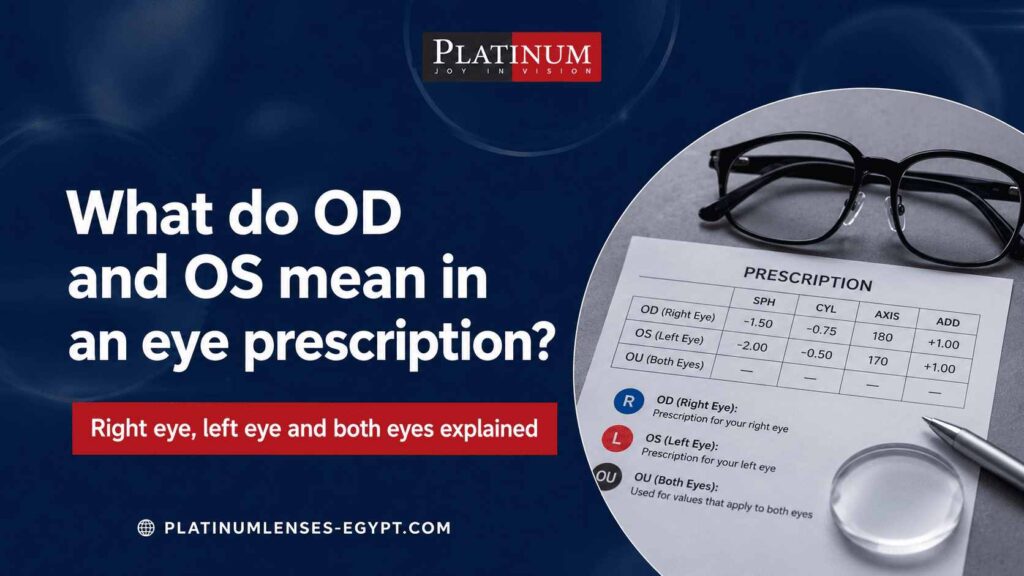
قبل الأرقام نفسها، تُقسَّم الوصفة إلى صفّين أو عمودين لكل عين. OD اختصار Oculus Dexter وتعني العين اليمنى، وOS اختصار Oculus Sinister وتعني العين اليسرى. أحيانًا ترى OU (Oculus Uterque) لتعني كلتا العينين معًا. القراءة الصحيحة تبدأ دائمًا بتحديد أي صفٍّ يخص أي عين، لأن العين اليمنى واليسرى قد تختلفان في كل شيء تقريبًا: قوة العدسة، درجة الاستجماتيزم، اتجاه المحور، وحتى الحاجة إلى إضافة القراءة.
| الرمز | المعنى | ما الذي يخبرك به |
|---|---|---|
| OD | العين اليمنى | أرقام تصحيح العين اليمنى |
| OS | العين اليسرى | أرقام تصحيح العين اليسرى |
| OU | كلتا العينين | قيمة تنطبق على العينين معًا |
قد تجد وصفتك مكتوبة بالإنجليزية Right/Left بدل OD/OS، وهذا شائع في العيادات الحديثة. الفكرة نفسها، والمهم ألا تقلب صف العين اليمنى مع اليسرى عند الكتابة أو الطلب.
ماذا يعني SPH في وصفة النظارة؟
SPH اختصار Sphere أو «القوة الكروية»، وهي أول رقم يبحث عنه المستخدم عادةً. يخبرك SPH بقوة العدسة الأساسية اللازمة لتصحيح قصر النظر أو طول النظر، ويُقاس بالديوبتر (D) عادةً بخطوات ربع ديوبتر مثل 1.25 أو 2.50.
علامة السالب وقصر النظر
عندما يسبق الرقم علامة سالب (-)، فهذا يعني قصر نظر: الأجسام القريبة واضحة، أما البعيدة (لافتات الشارع، السبورة، شاشة السينما) تبدو ضبابية. كلما زاد الرقم بالسالب زادت درجة القصر: -0.75 قصر بسيط، -3.00 متوسط، وأعلى من -6.00 يُعتبر قصرًا عاليًا يستحق اختيار عدسات رقيقة عالية المعامل. راجع دليل سُمك العدسة لتفهم كيف تؤثر النمرة الكبيرة على سُمك الزجاج وشكل النظارة النهائي.
علامة الموجب وطول النظر أو صعوبة القراءة
الإشارة الموجبة (+) تعني عادةً طول النظر أو صعوبة تركيز على الأجسام القريبة (كتاب، هاتف، شاشة قريبة). قد يشعر صاحبها بإرهاق سريع في القراءة أو صداع نهاية اليوم. بعد الأربعين قد يظهر الموجب في حقل ADD بدلًا من SPH لدى من كانت رؤيتهم البعيدة سليمة، وسنشرح ADD بعد قليل.
ما دلالة الأرقام الكبيرة في SPH؟
كلما زادت قيمة SPH، احتاجت العدسة صناعة أدق واختيار مادة أعلى معامل انكسار للحفاظ على وزنها وسُمكها في حدود مقبولة. الأرقام العالية أيضًا تجعل PD أكثر حساسية، لأن الخطأ في مركز العدسة يتضخم بصريًا كلما زادت قوة العدسة. إن كانت نمرتك عالية، ناقش مع الأخصائي مادة العدسة (High-Index) وشكل الإطار بحيث لا يترك الحواف مكشوفة.
ماذا يعني CYL في وصفة النظارة؟
CYL اختصار Cylinder، وهي القيمة المخصصة لتصحيح الاستجماتيزم. يحدث الاستجماتيزم عندما تكون قرنية العين أو عدستها الطبيعية غير كروية تمامًا، فتتشتّت أشعة الضوء على أكثر من نقطة تركيز داخل العين، بدل نقطة واحدة نظيفة. النتيجة رؤية مشوهة أو ممطوطة، خاصة في الإضاءة المنخفضة أو أمام الأضواء الليلية.
إذا كان حقل CYL يحمل رقمًا، فأنت تحتاج تصحيحًا أسطوانيًا. إذا كان الحقل فارغًا أو يحمل كلمة Plano أو صفر، فلا يوجد استجماتيزم مسجَّل في هذا الجانب. القاعدة الذهبية عند تعلّم قراءة الوصفة: لا تقرأ CYL وحده أبدًا، بل مع Axis دائمًا، لأنهما يعملان معًا كوحدة واحدة.
مستوى الاستجماتيزم في CYL
القيم الصغيرة (أقل من -0.75) قد لا يشعر بها المستخدم في النهار، لكنها تظهر في القيادة الليلية أو أمام شاشة التلفاز. القيم المتوسطة (بين -1.00 و-2.00) تسبب زغللة واضحة وتؤثر على القراءة. القيم الأعلى من -2.00 تحتاج عدسة مضبوطة بدقة عالية جدًا، وقد تحتاج نوعًا مخصصًا للاستجماتيزم مثل عدسات Digital Ray Path، وهو ما نشرحه بالتفصيل في عيوب الانعكاسات حول عدسات النظارة الطبية.
CYL وراحة الارتداء
المفارقة أن استجماتيزمًا بسيطًا مركبًا بشكل خطأ قد يكون أكثر إزعاجًا من استجماتيزم عالٍ مركب بدقة. لذلك، حين تشعر بأن نظارتك الجديدة «تدوّخك» في الأيام الأولى رغم أن SPH صحيح، غالبًا الاحتمال الأول أن الخطأ في CYL أو Axis، وليس في القوة الأساسية للعدسة.
ماذا يعني Axis في وصفة النظارة؟
Axis هو رقم بين 0 و180 يخبر المعمل باتجاه القوة الأسطوانية داخل العدسة. هو ليس قوةً، بل زاويةً. الاستجماتيزم لا يوجد فقط، بل يوجد في اتجاه معين حول محيط العين، والعدسة يجب أن تُصنَع بحيث تصحح ذلك الاتجاه بدقة.
قد يشترك شخصان في نفس رقم CYL (مثل -1.00) لكن باتجاه Axis مختلف (90 عند الأول، 180 عند الآخر)، والنتيجة عدستان مختلفتان تمامًا في الصناعة. لهذا لا يمكن «تدوير» العدسة داخل الإطار كما يظن البعض، لأن الاتجاه الذي يُصنَع عليه المحور ثابت في العدسة.
هل خطأ درجات قليلة في Axis يفرق؟
نعم، خاصة في القيم العالية من CYL. خطأ 10 درجات في Axis عند استجماتيزم -2.50 قد يُلغي جزءًا كبيرًا من التصحيح ويجعلك تشعر أن رؤيتك لا تختلف بين وضع النظارة ونزعها. هذا سبب مهم لعدم «تخمين» Axis بناءً على وصفة قديمة، بل الحصول على قياس محدَّث من فحص مباشر.
قواعد سريعة لقراءة Axis
- الرقم 90 يعني محورًا رأسيًا.
- الرقم 180 يعني محورًا أفقيًا.
- الأرقام بين 1 و179 توزّع الاتجاه بين المحورين.
- عند غياب CYL يكون Axis عديم المعنى، فلا داعي للقلق من وجوده أو غيابه في هذه الحالة.
ماذا يعني ADD في وصفة النظارة؟
ADD هي إضافة قوة موجبة للرؤية القريبة، وتظهر غالبًا بعد سن الأربعين حين تبدأ العين في فقد جزء من مرونتها في تغيير التركيز على المسافات القريبة، وهي حالة تُعرف بقصو البصر الشيخي (Presbyopia). قيمة ADD تكتب دائمًا بالموجب، وتتراوح عادةً بين +0.75 و+3.00 حسب العمر ونمط الاستخدام.
متى تحتاج ADD؟
- إذا بدأت تُبعِد الهاتف عن وجهك لتقرأ.
- إذا شعرت بإرهاق سريع عند القراءة مع أن رؤيتك البعيدة واضحة.
- إذا كنت تحتاج إلى إضاءة أقوى مما اعتدت لقراءة نفس الحجم من الخط.
- إذا كنت تعمل ساعات طويلة على شاشة قريبة وتحس بجفاف وضبابية آخر اليوم.
أين توضع ADD في تصميم العدسة؟
يمكن أن تُترجَم ADD إلى ثلاثة تصاميم رئيسية: عدسات القراءة الأحادية للمهام القريبة فقط، والعدسات ثنائية البؤرة التي تحمل نافذة سفلية للقراءة، والعدسات التقدمية (Progressive) التي تنتقل بسلاسة بين البعيد والمتوسط والقريب دون خط فاصل. الاختيار بين هذه التصاميم يعتمد على طول ساعات القراءة، طبيعة عملك، ومدى قبولك لفترة تعوّد على التقدمية.
ما هو PD في وصفة النظارة؟
PD اختصار Pupillary Distance، أي المسافة بين مركزَي حدقتَي عينيك بالمليمتر. يستخدم PD لتحديد نقطة مركز العدسة أمام كل حدقة، بحيث تنظر من خلال أعلى نقطة بصرية في العدسة، لا من ركن مائل. القيم الشائعة للبالغين بين 58 و68 مم.
قد يُكتب PD رقمًا واحدًا (مثل 64) أو رقمين مقسومين لكل عين (مثل 32/32)، الأخير أدق خاصةً للنمر العالية والعدسات التقدمية. لا تعتمد على تقدير PD بنفسك أمام المرآة عبر مسطرة، لأن الفرق ولو ملليمترًا واحدًا يظهر في الراحة اليومية.
لماذا PD مهم رغم أنه ليس قوة؟
خطأ صغير في PD يجعل عينيك تنظران من نقطة خاطئة داخل العدسة، فيحدث ما يشبه «الوصفة الخطأ» رغم أن الأرقام على الورق صحيحة. الأثر يزداد كلما زادت قوة العدسة أو زادت تعقيدات التصميم (استجماتيزم عالٍ، عدسة تقدمية، مادة عالية المعامل). راجع تصميمات النظارات الطبية الأفضل لفهم كيف يؤثر الإطار على وضع PD داخل العدسة.
PD والعدسات التقدمية والأونلاين
في العدسات التقدمية، مركز العدسة ليس نقطة واحدة بل ممر انتقالي من البعيد إلى القريب. لو انحرف PD، ينحرف هذا الممر كله، وتضطر لتحريك رأسك يمينًا وشمالًا لإيجاد النقطة الواضحة. عند شراء نظارة أونلاين، اطلب من محل بصريات موثوق أن يقيس PD بجهاز إلكتروني ويكتبه لك مكتوبًا رسميًا قبل أن تدخل بيانات الطلب.
ما هما Prism وBase في الوصفة؟
Prism وBase لا يظهران في كل وصفة، وإنما عند وجود مشكلة في تناسق حركة العينين معًا (Binocular Vision)، مثل الرؤية المزدوجة أو الحول الكامن أو صعوبة تركيز العينين على نفس الهدف. Prism يحدد مقدار «الإزاحة» المطلوبة (بوحدة الديوبتر المنشوري)، وBase يحدد اتجاه هذه الإزاحة: للداخل (Base In)، للخارج (Base Out)، للأعلى (Base Up)، أو للأسفل (Base Down).
هذه الحقول تحتاج تقديرًا طبيًا دقيقًا وفحصًا مخصصًا لحركة العينين، وتصنيع العدسة بها يختلف عن العدسة العادية. لا تحاول تجاهلها أو حذفها إذا كتبها الطبيب. إن ظهر Prism في وصفتك للمرة الأولى، ننصح باستشارة أخصائي البصريات أو طبيب العيون قبل تركيبها، ومناقشة سبب الحاجة لها وحالتها المستقرة أو المتغيرة.
ماذا يعني VA وقياس 6/6 و20/20؟
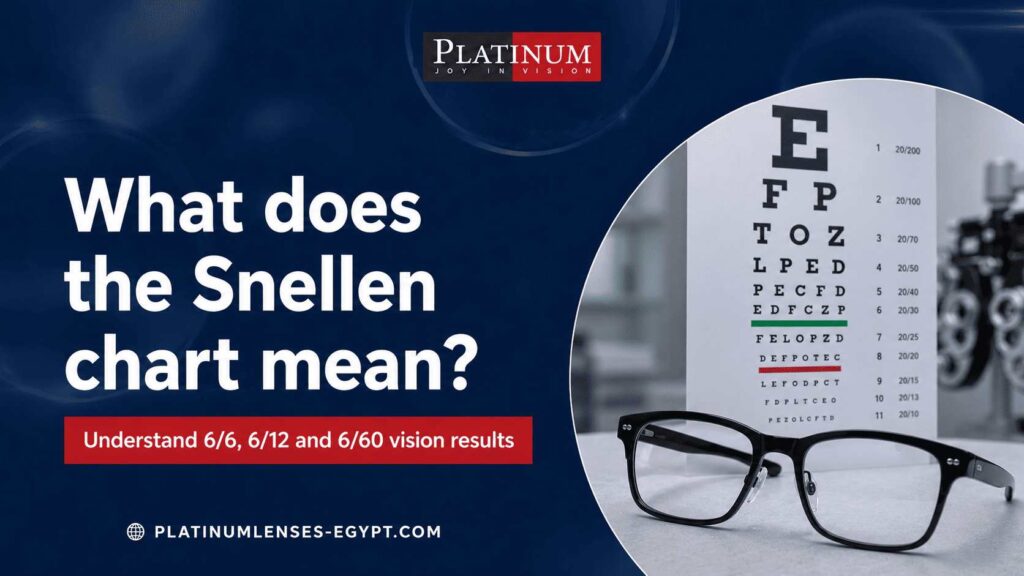
VA اختصار Visual Acuity، أي حدة الإبصار. تُكتب VA بصيغة نسبة مثل 6/6 أو 20/20 حسب النظام المستخدم (متري أو قدمي). القيمة الأولى هي المسافة التي تجلس عندها لفحص اللوحة، والقيمة الثانية هي المسافة التي يستطيع الشخص ذو الرؤية الطبيعية عندها قراءة نفس الصف من الحروف.
ماذا تعني رؤية 6/6؟
تعني أنك ترى من مسافة 6 أمتار ما يراه الشخص العادي من نفس المسافة، وهي رؤية طبيعية بعد التصحيح. لو حصلت على 6/6 وأنت تلبس نظارتك الجديدة، فهذه إشارة أن قوة العدسة موفّية بالغرض.
ماذا تعني رؤية 6/12؟
تعني أنك تحتاج الوقوف على مسافة 6 أمتار لترى ما يراه الشخص العادي من 12 مترًا. هذا مؤشر ضعف رؤية بعيدة يحتاج تصحيحًا. لو ظهرت 6/12 وأنت تلبس نظارة، فقد يعني أن الوصفة قديمة وتحتاج تحديثًا.
ماذا تعني رؤية 6/60؟
تعني ضعفًا شديدًا: ترى من 6 أمتار ما يراه الشخص العادي من 60 مترًا. هذه نتيجة تستدعي مراجعة طبيب عيون فورًا لتقييم السبب، ولا يجب الاكتفاء بتغيير النظارة قبل معرفة السبب المرضي المحتمل.
قياس VA ليس بديلًا عن أرقام SPH وCYL، بل نتيجة عملية تشرح أثر هذه الأرقام على قدرتك على القراءة الفعلية للحروف.
كيف تقرأ وصفة كاملة خطوة بخطوة؟
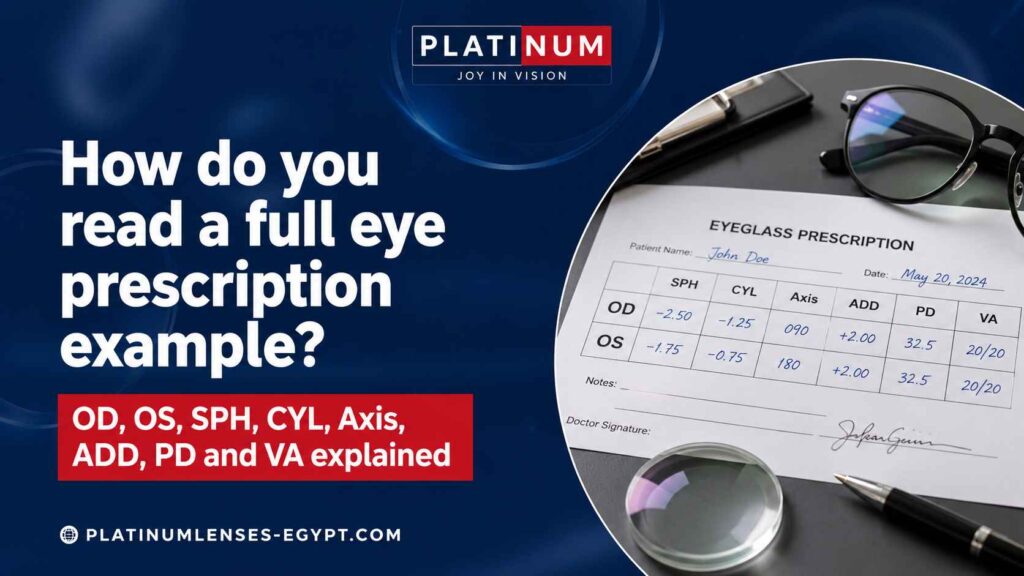
تخيل الوصفة التالية:
- OD: SPH -2.50, CYL -0.75, Axis 180
- OS: SPH -2.00, CYL -1.00, Axis 175
- ADD: +1.50
- PD: 62 mm
- VA: 6/6
نقرأها بالترتيب: العين اليمنى بها قصر نظر متوسط (2.50-)، ومعها استجماتيزم بسيط (0.75-) في اتجاه أفقي (Axis 180). العين اليسرى قصر نظر أقل قليلًا (2.00-) لكن استجماتيزم أقوى (1.00-) في اتجاه قريب من الأفقي (Axis 175). ADD موجب 1.50 يشير إلى حاجة لدعم القراءة القريبة، وهو ما يوجه الاختيار إلى عدسة تقدمية أو ثنائية البؤرة. PD 62 يعني أن مركز كل عدسة يجب أن يقع بحيث يبعد 31 مم عن الأنف تقريبًا. VA 6/6 مع النظارة الحالية تعني أن التصحيح ناجح ويعطي رؤية طبيعية.
قراءة سطر العين اليمنى
ابدأ من اليسار لليمين: العلامة، ثم القيمة الرقمية، ثم وحدة Axis. لا تقفز إلى العين الثانية قبل أن تنهي هذا السطر ذهنيًا. اسأل نفسك: هل الإشارة سالب أم موجب؟ هل CYL موجود أم Plano؟ هل Axis منطقي (بين 1 و180)؟
قراءة سطر العين اليسرى
كرّر نفس القراءة، ثم قارن. الفرق بين العينين طبيعي، لكن إن كان الفرق كبيرًا جدًا (أكثر من 2.00 ديوبتر بين العينين) فهذا اختلاف إبصاري يحتاج ملاحظة، وقد يستدعي تصميم عدسة خاصًا لتقليل الفارق البصري بين العينين.
قراءة ADD وPD
اقرأ ADD بعد سطري العينين، ولا تخلطها بـ SPH. اقرأ PD كرقم واحد أو كتقسيمة، وتأكد أنها بالمليمتر لا بالسنتيمتر. إن كان PD مسجّلًا كرقمين (32/30 مثلًا)، فالرقم الأول عادةً لليمين والثاني لليسار حسب نظام كتابة المحل.
قراءة VA
VA يظهر عادةً بعد التصحيح، ويشير إلى مدى نجاح النظارة الحالية أو الجديدة. اطلب دائمًا من الأخصائي قياس VA بالنظارة الجديدة قبل استلامها من المحل.
جدول مختصر لحقول وصفة النظارة
| الحقل | القيمة النموذجية | ما الذي يخبرك به |
|---|---|---|
| SPH | رقم سالب أو موجب بالديوبتر | قوة العدسة الأساسية (قصر أو طول نظر) |
| CYL | رقم سالب عادةً | درجة الاستجماتيزم |
| Axis | رقم بين 0 و180 | اتجاه الاستجماتيزم داخل العدسة |
| ADD | رقم موجب بين 0.75+ و3.00+ | دعم الرؤية القريبة |
| PD | مسافة بالمليمتر (58 - 68 عادةً) | مركز العدسة أمام الحدقة |
| VA | نسبة مثل 6/6 أو 20/20 | حدة الإبصار بعد التصحيح |
| Prism / Base | قيمة واتجاه | تصحيح توافق حركة العينين |
هذا الجدول لا يغني عن مراجعة الأخصائي، لكنه يعطيك مرجعًا سريعًا قبل تركيب أي عدسة جديدة، ويجعل حوارك مع محل البصريات أكثر دقة.
من واقع تجربتنا في فروع بلاتنيوم
من واقع تجربتنا في فروع بلاتنيوم، استقبلنا في فروعنا حالات كثيرة لعملاء يشكون من دوخة مع نظارة جديدة اشتروها من مكان آخر رغم وضوح الرؤية البعيدة. حين نراجع الوصفة والعدسة الفعلية، يتبين أن SPH وCYL منقولان بدقة، لكن Axis كُتب برقم مختلف بعشر درجات عن الوصفة، أو PD قُدِّر بالنظر بدل أن يُقاس بجهاز. لاحظنا في تجربتنا مع العملاء أن إعادة صناعة العدسة بالوصفة الصحيحة تُنهي شعور الدوخة خلال يومين، لذلك نُصرّ على مراجعة كل بند مع العميل قبل قص العدسة، ومراجعة النظارة النهائية على جهاز قياس قبل التسليم. الدرس العملي: الوصفة الصحيحة على الورق لا تكفي؛ الدقة في نقلها إلى العدسة — خاصة Axis وPD — هي ما يصنع الراحة اليومية الحقيقية.
هذه المقالة روجعت بواسطة فريقنا الطبي وفق السياسة التحريرية.
كيف تختار العدسة المناسبة بعد قراءة وصفتك؟
فهم الوصفة يقودك مباشرةً إلى قرار تصميم العدسة، ولا يكفي رقم واحد لاتخاذ القرار. إليك الخطوات العملية:
- حدد قوة الوصفة الإجمالية: SPH وCYL معًا يعطيان مؤشرًا على مدى ثقل العدسة. النمر التي تتجاوز -4.00 أو -3.00 CYL يستحسن معها اختيار مادة عالية المعامل لتقليل السُمك.
- ابنِ التصميم على نمط استخدامك اليومي: لو تعمل ساعات طويلة أمام الشاشة، فكّر في عدسة مكتبية بمرشح ضوء أزرق. لو تقود ليلًا، اختر عدسة بمعامل انعكاس منخفض جدًا. لو رؤيتك القريبة تعبت مؤخرًا، ناقش خيار التقدمية.
- اختر الطلاء المناسب: طلاء مضاد للانعكاس ومقاوم للخدش تقريبًا شرط أساسي في أي نمرة عالية. إن كنت تتعرض للشمس كثيرًا فناقش الفوتوكرومك.
- راجع أسعار العدسات الطبية إرشاديًا: قبل الاختيار النهائي، اطّلع على أسعار وأنواع العدسات الطبية للحصول على تصوّر عن المدى السعري، مع العلم أن السعر النهائي يعتمد على النمرة والمواصفات. للسعر المؤكد تواصل مع أقرب فرع.
- جرّب النظارة قبل الخروج من المحل: انظر لأبعد نقطة داخل المحل، ثم اقرأ نصًا صغيرًا في يدك، ثم انظر بشكل جانبي. أي ضبابية أو انزعاج فوري ليس «فترة تعوّد»، بل إشارة يحتاج المحل مراجعتها.
متى ترجع للأخصائي حتى لو كانت الوصفة معك؟
- عند تغيّر النمرة أكثر من 0.75 ديوبتر خلال أقل من ستة أشهر.
- عند ظهور Prism لأول مرة أو تغيّر اتجاهه.
- عند ظهور ADD مبكرًا (قبل سن الأربعين) دون سبب واضح.
- عند وجود صداع أو غثيان مستمر مع النظارة الجديدة بعد أسبوعين.
- عند شكوى الأطفال المتكررة من ضبابية أو تعب سريع في القراءة، حتى لو كانت الوصفة السابقة تبدو ثابتة.
في كل هذه الحالات لا تعتمد على تفسيرك الشخصي للوصفة أو على مقارنتها بوصفات الأصدقاء. راجع أخصائي بصريات أو طبيب عيون. يمكنك أيضًا زيارة أقرب فرع من فروع بلاتنيوم لمناقشة الوصفة والحصول على قياس PD وVA دقيق قبل تركيب عدسات جديدة.
هل تختلف قراءة الوصفة بين البالغين والأطفال؟
المبدأ العام واحد، لكن الاهتمام العملي يختلف. عند الأطفال:
- تغيّر النمرة أسرع، لذا الفحص السنوي ضروري وليس اختياريًا.
- زيادة قصر النظر عند الطفل تحتاج مناقشة تصاميم إدارة القصر عند الأخصائي.
- Axis عند الأطفال أكثر حساسية لخطأ الصناعة لأن دماغهم لا يعتاد بسهولة على عدسة غير دقيقة.
- PD يتغير مع نمو الطفل، فلا تعتمد على PD قديم لتركيب نظارة جديدة بعد سنة.
عند البالغين بعد الأربعين، الاهتمام الأكبر ينتقل إلى ADD وتصميم العدسة (تقدمية، مكتبية، أحادية للقراءة)، مع تقييم توازن الرؤية بين البعيد والقريب. حين تجد ADD في وصفتك للمرة الأولى، فهذه بداية مرحلة عمرية طبيعية لا تستدعي القلق، لكنها تستدعي اختيار تصميم عدسة يليق بنمط عملك.
متى تصبح وصفتك «قديمة»؟
عمومًا، الوصفة تظل صالحة لسنة إلى سنتين حسب الفئة العمرية واستقرار النمرة. بعد هذه المدة يُستحسن إعادة الفحص حتى لو لم تلاحظ فرقًا، لأن التغيرات البصرية الصغيرة تتراكم دون أعراض واضحة. لا تعتمد على وصفة قديمة عند الطلب أونلاين أو عند تركيب نظارة احتياطية، حتى لو كانت أرقامها قريبة من إحساسك بالراحة الحالية.
أخطاء شائعة عند قراءة الوصفة تجنبها
هناك أخطاء يقع فيها كثير من المستخدمين عند التعامل مع الوصفة لأول مرة، وتقود إلى قرارات شراء غير موفّقة:
- الخلط بين إشارة السالب والموجب: بعض النماذج الإلكترونية لا تفرّق بصريًا بين -2.50 و+2.50 إن كتبت الرقم دون علامة. النتيجة عدسة معكوسة تمامًا في تأثيرها.
- قراءة CYL بدون Axis: كثيرون يهتمون بالرقم ويهملون الاتجاه، فتصنع العدسة باستجماتيزم في اتجاه خطأ.
- افتراض PD ثابت مدى الحياة: المسافة بين الحدقتين قد تختلف بمليمتر أو اثنين بين قياس وآخر، خاصة عند البالغين الشباب، ونحتاج قياسًا حديثًا لكل نظارة جديدة، لا نقلًا من وصفة قديمة.
- الخلط بين ADD وSPH: ADD قيمة إضافية للقراءة تُدمج مع SPH داخل تصميم العدسة، لا تُقرأ كوصفة قراءة منفصلة.
- الاعتماد على VA وحدها دون فحص: VA نتيجة تعرض وضوح الرؤية في اللوحة، لكنها لا تكشف عن أسباب الضعف. لا يمكن أن تعرف نمرتك من قياس VA فقط.
- تجاهل تنبيه الأخصائي بشأن الاختلاف بين العينين: فارق كبير في SPH بين العينين قد يحتاج تصميمًا خاصًا أو مرحلة تعوّد، وليس مجرد وصفتين منفصلتين.
كلما تجنبت هذه الأخطاء، قلّت رحلات الرجوع للمحل، وحصلت على قيمة حقيقية من الاستثمار في نظارة جيدة.
ملخص عملي قبل ذهابك للمحل
قبل أن تسلّم وصفتك للمحل، تأكد من:
- كتابة العلامتين (سالب/موجب) بوضوح في SPH وCYL وADD.
- كتابة Axis برقم واحد بين 0 و180 لكل عين لديها استجماتيزم.
- توفير PD بقياس حديث (لا يزيد عمره على أشهر قليلة).
- طلب VA بعد استلام النظارة كتحقق من نجاح التصحيح.
- الاحتفاظ بنسخة رقمية من الوصفة (تصوير) لتجنب الأخطاء الشفهية.
هذه الخطوات البسيطة تجعل الفارق بين نظارة تخدمك سنة كاملة بلا شكوى، ونظارة تُترَك في الدرج بعد شهرين.
الخلاصة
قراءة وصفة النظارة ليست مهارة طبية معقدة، بل قدرة عملية على تفكيك الأرقام إلى حقول لكل منها معنى واضح: SPH لقوة العدسة، CYL وAxis للاستجماتيزم، ADD للقراءة، PD لمركز العدسة، وVA للنتيجة النهائية. حين تفهم هذا الترتيب تختار العدسة بوعي، تُطالب المحل بدقة التنفيذ، وتلاحظ الأخطاء قبل أن تصبح صداعًا يوميًا. إن كنت تتعامل مع نمرة عالية، أو استجماتيزم قوي، أو حاجة لأول عدسة تقدمية في حياتك، فاستشر أخصائي البصريات أو طبيب العيون، واستعن بفريق أنواع العدسات الطبية لدى بلاتنيوم لاختيار التصميم والمادة والطلاء الأنسب لحالتك ونمط استخدامك اليومي.
Related Articles
View all articles → أنواع العدسات الطبية
 Korean vs German vs Japanese Lenses: Which Is Right for You?
Compare Korean, German and Japanese prescription lenses for clarity, coatings, comfort and price to choose the right option for your vision needs
Read more -> أنواع العدسات الطبية
 Best Prescription Eyeglass Lens Brands in 2026
Compare eyeglass lens brands in 2026 and learn how quality, coatings, comfort, warranty and Platinum lens options help you choose better
Read more -> أنواع العدسات الطبية
 Men’s Glasses Styles for 2026: Every Personality
Discover men’s glasses styles for 2026, from classic and modern frames to face shape tips, lens comfort, screen protection and personality based choices
Read more -> أنواع العدسات الطبية
 Eye Prescription Symbols: How to Understand Test Codes?
Understand eye prescription symbols like SPH CYL Axis PD ADD and 6/6 so you can read test codes and choose the right lenses with more confidence
Read more -> أنواع العدسات الطبية
 Best Face Shape Detection Website for Choosing Glasses
Find the best face shape detection website to choose glasses that match your face shape frame style lens needs and daily comfort before buying online
Read more -> أنواع العدسات الطبية
 Prescription Eyeglass Lens Types and Their Prices
Learn the main prescription eyeglass lens types, price factors, lens materials, coatings and how to choose the right option for your vision needs
Read more ->