
What Are Multifocal Lenses and Their Key Benefits?
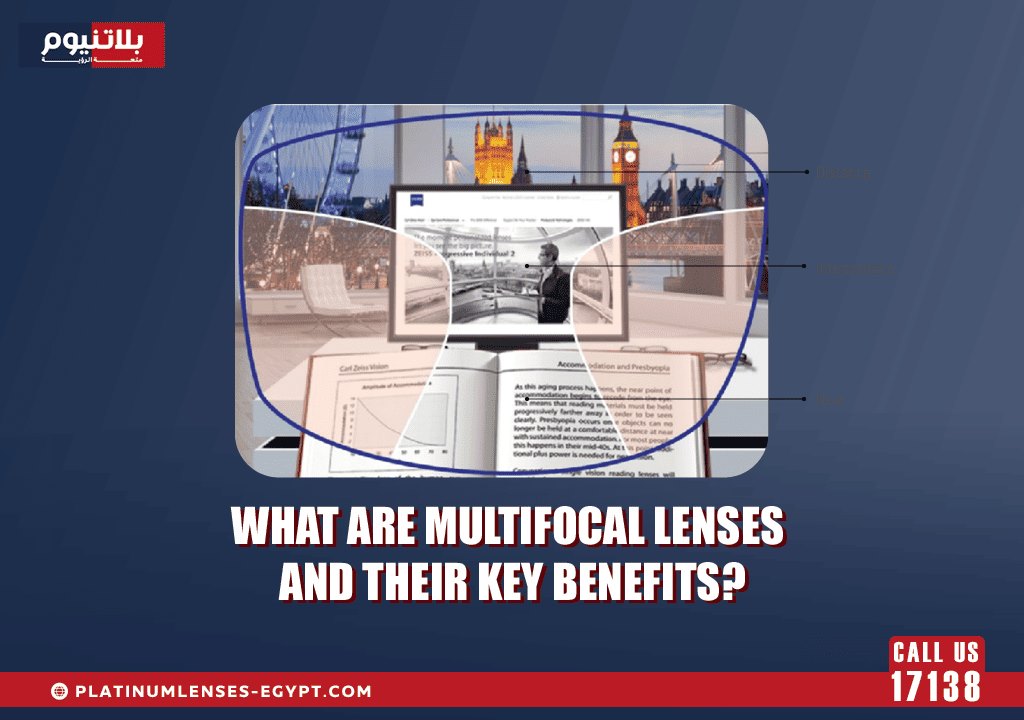
العدسات متعددة البؤر (مالتي فوكل) هي عدسات نظارة تجمع أكثر من قوة بصرية داخل عدسة واحدة، فتساعدك على الرؤية القريبة والمتوسطة والبعيدة بنظارة واحدة فقط. مفيدة لمن تجاوز الأربعين وبدأ يلاحظ ضعف الرؤية القريبة، ولمن يتنقّل يوميًا بين الهاتف والشاشة والقيادة ولا يريد تبديل نظارتين طوال اليوم. تصحّح الرؤية عند مسافات متعددة، لكنها لا تعالج قصر أو طول النظر بمعناه الطبي؛ الفحص الدقيق عند أخصائي البصريات يبقى الأساس.
ما هي العدسات متعددة البؤر (مالتي فوكل) بالضبط؟
العدسة المالتي فوكل عدسة نظارة طبية تحمل داخلها أكثر من “قوة” بصرية موزّعة على مناطق مختلفة. الجزء العلوي يخدم الرؤية البعيدة (المشي، القيادة، التلفزيون)، والجزء الأوسط يخدم مسافات الذراع تقريبًا (الكمبيوتر ولوحة القيادة)، والجزء السفلي يخدم القراءة والقُرب (الهاتف، الكتاب، الفاتورة).
الفكرة تبدو بسيطة، لكن التصميم أعقد مما يبدو. العين لا تنتقل من منطقة لأخرى بشكل حرفي؛ بل تحرّك رأسها ومحور نظرها بمقدار بسيط جدًا، فيجد الدماغ الصورة الأوضح داخل المنطقة المناسبة. ولهذا لا تصلح المالتي فوكل لكل الحالات دون فحص دقيق، ومن هنا أهمية الفحص الاحترافي عند اختيار عدسات متعددة البؤر.

كيف تعمل العدسات متعددة البؤر داخل عدسة واحدة؟
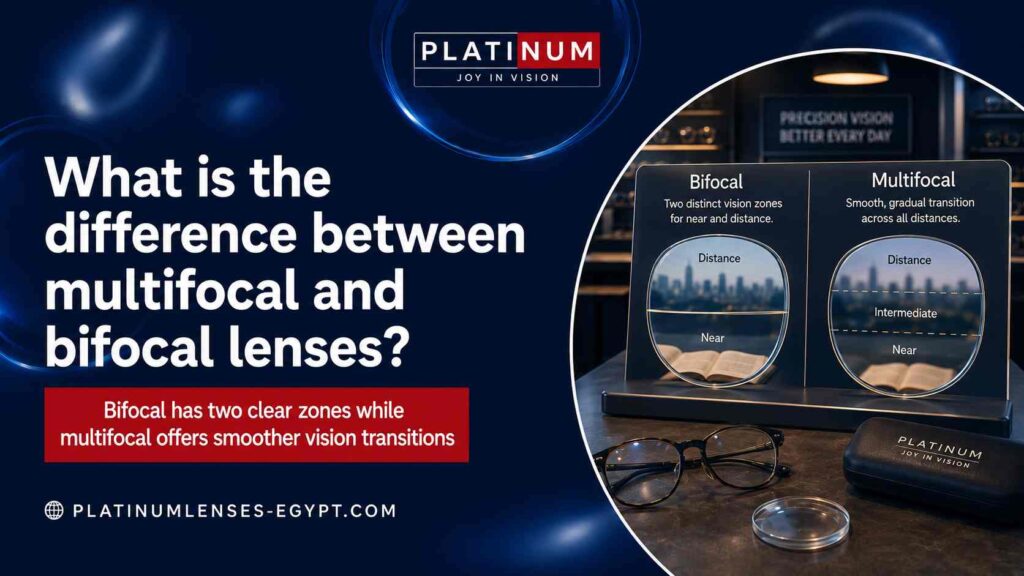
كل منطقة في العدسة مقطوعة أو مصمّمة بمقدار انحناء مختلف، ما ينتج قوة تصحيح مختلفة. في التصاميم القديمة (البايفوكل)، تجد خطًا فاصلًا واضحًا بين منطقة القُرب والبُعد. في التصاميم الحديثة (البروجريسف)، الانتقال متدرّج جدًا فلا ترى أي خط، والانتقال بين المسافات يحدث بشكل ناعم يخدع العين لتشعر أنها عدسة عادية.
هذا الانتقال المتدرّج مصنوع بواسطة “قناة تقدمية” (progressive corridor) تنزل من منتصف العدسة إلى الأسفل. عرض هذه القناة يحدّد جودة تجربة المستخدم:
- قناة ضيقة = رؤية جانبية أقل وضوحًا لكن تكلفة أقل.
- قناة عريضة = رؤية جانبية أوسع، والمستخدم يحرّك رأسه أقل، لكن التصميم أعقد وأغلى.
هذا التفصيل لا يعرفه أغلب المشترين، وهو من الأسباب التي تجعل ورشة الفحص وتصميم العدسة أهم من نوع الإطار نفسه. للمزيد عن التصنيف والانواع تجد الدليل الكامل للعدسات التقدمية (البروجريسف) شرحًا مفصّلًا للقنوات والتصاميم.
من يحتاج العدسات المالتي فوكل فعلًا؟
الحاجة إلى المالتي فوكل ليست عمرية فقط، وإن كانت شائعة بعد الأربعين بسبب قصو البصر الشيخوخي. تصلح كذلك لمن يعمل ساعات طويلة على مسافات مختلفة أو يعاني من إرهاق بصري دائم من تبديل نظارتين.
هل تحتاجها إذا كنت فوق الأربعين؟
بعد سن الأربعين تقريبًا تبدأ عدسة العين الطبيعية بفقد بعض مرونتها، فيصعب التركيز على الأشياء القريبة (وهو ما يُعرف بـ Presbyopia أو قصو البصر الشيخوخي). إذا وجدت نفسك تُبعد الهاتف عن عينيك أو تحتاج نور أقوى للقراءة، فهذا مؤشر عملي جدًا. اطلع على حلول قصو البصر الشيخوخي لفهم الخيارات المتاحة قبل قرار الشراء.
هل تناسب موظف المكتب والشاشات؟
من يقضي أكثر من 6 ساعات يوميًا بين الشاشة والأوراق والاجتماعات يستفيد كثيرًا من المالتي فوكل. القسم المتوسط في العدسة مُصمّم تحديدًا لمسافة الشاشة (60–70 سم)، وهو أكثر ما يُهمل في نظارة قراءة عادية.
وماذا عن قائدي السيارات؟
القيادة تحتاج رؤية بعيدة واضحة (الطريق، اللافتات) ورؤية قريبة سريعة (لوحة القيادة، الخريطة، الهاتف). المالتي فوكل تخدم الحالتين، شرط أن تكون القناة التقدمية مصمّمة بشكل مناسب لعرض الرؤية الجانبية.
هل تناسب من هم دون الأربعين؟
في حالات نادرة، نعم — خاصة لمن يعاني إرهاقًا بصريًا حادًا أو يحتاج تصحيحًا خاصًا. لكن القاعدة أن الشاب دون الأربعين قد يستفيد أكثر من نظارة أحادية الرؤية مخصصة للشاشة. القرار النهائي يعود لفحص أخصائي البصريات.
ما أنواع العدسات متعددة البؤر المتاحة؟
الأنواع الرئيسية أربعة، ولكل منها استخدام مثالي. الجدول التالي يلخّص الفروق:
| النوع | كيف تعمل | الأنسب لمن |
|---|---|---|
| بايفوكل (Bifocal) | منطقتان فقط: قُرب وبُعد، بينهما خط مرئي | من يريد فصلًا واضحًا بين القراءة والبعد ولا يمانع الخط الظاهر |
| ترايفوكل (Trifocal) | ثلاث مناطق: قُرب + متوسط + بُعد بخطوط | من يحتاج مسافة متوسطة (شاشة) بشكل ضروري ويقبل الخطوط |
| بروجريسف (Progressive) | انتقال ناعم بلا خطوط بين ثلاث مسافات | من يريد مظهرًا طبيعيًا وتجربة يومية سلسة |
| مالتي فوكل مخصّصة (Freeform) | مصمّمة رقميًا حسب PD وارتفاع البؤبؤ وأسلوب الحياة | القيادة الطويلة، الشاشات المكثفة، والمستخدم الخبير |
الاختيار بين الأنواع الأربعة لا يعتمد فقط على الوصفة الطبية؛ بل على شكل الإطار (ارتفاع العدسة)، وعدد ساعات الشاشة، والعمل الميداني، ومدى صبرك على فترة التكيّف. لا تحسم قرارك بمفردك؛ اسأل الأخصائي في فرع بلاتنيوم قبل الطلب.
ما الفرق بين المالتي فوكل والبايفوكل بالضبط؟
هذا سؤال شائع لأن كثيرين يستخدمون الكلمتين بالتبادل. الحقيقة أن البايفوكل نوع من المالتي فوكل، وليس مرادفًا له.
البايفوكل تحتوي منطقتين فقط: قُرب في الأسفل، وبُعد في الأعلى، وبينهما خط أفقي مرئي (أحيانًا نصف دائرة). هي الأقدم والأرخص والأبسط.
المالتي فوكل الحديثة (خاصة البروجريسف) تحتوي على ثلاث مسافات أو أكثر، بلا خط ظاهر، وبانتقال متدرّج يشبه رؤية العين الطبيعية قبل الأربعين. للمزيد عن الاختلاف اليومي عمليًا يمكنك مقارنة نظارة القراءة مقابل العدسات التقدمية.
الاختيار بينهما يعتمد على الأولوية:
- تريد أرخص حل يخدمك أساسًا؟ البايفوكل خيار عملي.
- تريد مظهرًا طبيعيًا وتجربة سلسة تشبه العدسة العادية؟ البروجريسف أفضل.
- تعمل ساعات طويلة على الشاشة تحديدًا؟ ترايفوكل أو مالتي فوكل مخصّصة للمكتب أنسب.
ما أبرز فوائد العدسات متعددة البؤر في الاستخدام اليومي؟
الفائدة الأكبر ليست تقنية بحتة، بل عملية جدًا: نظارة واحدة تكفي أغلب المواقف. لكن هناك تفاصيل تستحق الشرح.
رؤية واضحة عند ثلاث مسافات في وقت واحد
بدلًا من الاختيار بين البُعد أو القُرب، تحصل على الاثنين مع المسافة المتوسطة في نفس العدسة. هذا يقلّل إجهاد العين بشكل ملحوظ خلال اليوم، خاصة عند التنقل بين الهاتف واللابتوب والاجتماعات.
تقليل عدد النظارات التي تحملها
كثير من مرضى الأربعينات يحملون نظارتين أو ثلاثًا: للقراءة، للشاشة، للقيادة. المالتي فوكل تختصر ذلك إلى نظارة واحدة، وهذا وحده يخفف الأعباء اليومية ويقلل نسيان النظارة الأخرى.
مظهر طبيعي بلا خطوط ظاهرة
في البروجريسف تحديدًا، لن يلاحظ الآخرون أنك ترتدي عدسات متعددة البؤر — لا خطوط أفقية ولا فصل بصري. هذا مهم لمن يشعر بحرج المظهر التقليدي للبايفوكل.
تقليل الإجهاد البصري في العمل المكتبي
عند العمل ساعات طويلة، تبديل النظارة كل نصف ساعة يُنهك الرقبة والعين. القناة التقدمية المصمّمة جيدًا تسمح بالانتقال دون رفع الرأس أو حركة زائدة، فتقلّ آلام الرقبة والصداع المتكرر. لمن يريد إرشادات عملية، يوجد ملخص جيد في أبرز فوائد ونصائح العدسات التقدمية.
توفير على المدى البعيد
قد تبدو المالتي فوكل أغلى من نظارة واحدة، لكن مقارنةً بشراء نظارتين مستقلتين (قراءة + بعد) والحفاظ عليهما وتحديثهما، تكون تكلفتها الإجمالية أفضل، مع تجربة أكثر راحة.
ما العيوب المحتملة التي يجب معرفتها؟
الأمانة تقتضي ذكر العيوب أيضًا، حتى يكون توقعك واقعيًا من البداية.
فترة التكيّف
تحتاج العين والدماغ من أسبوع إلى شهر تقريبًا للتعوّد على تحريك الرأس والنظر عبر المنطقة الصحيحة من العدسة. خلال هذه الفترة، قد تشعر بدوخة بسيطة عند نزول السلالم أو رؤية أرضية غير مستوية. الدوخة المستمرة أو الصداع الحاد ليست طبيعية — استشر أخصائي البصريات فورًا إذا استمرت.
تشوّه الرؤية الجانبية
في التصاميم الاقتصادية، الرؤية الجانبية أقل حدة قليلًا. هذا يقلّ كثيرًا في التصاميم الرقمية (Freeform / Digital Progressive) الحديثة، ويكاد يختفي في الفئات الفاخرة.
التكلفة الأعلى
المالتي فوكل عمومًا أغلى من العدسات أحادية الرؤية بسبب تعقيد التصميم ودقة القياس المطلوبة. في السوق المصري، تبدأ المالتي فوكل الاقتصادية من مدى معيّن وترتفع حسب التقنية ومعامل الانكسار والطلاءات. للسعر المؤكد تواصل مع أقرب فرع لأن الأسعار تتغيّر حسب الوصفة الطبية والطلاءات المضافة.
الحاجة لإطار مناسب
تصميم البروجريسف يحتاج ارتفاع عدسة كافٍ (لا يقل عن 28–30 مم غالبًا). الإطارات الرفيعة جدًا لا تناسب المالتي فوكل بشكل فعّال، ما يقيّد الخيارات الجمالية أحيانًا.
هل العدسات التقدمية (البروجريسف) هي نفسها المالتي فوكل؟
كل عدسة بروجريسف هي مالتي فوكل، لكن ليست كل مالتي فوكل بروجريسف. البروجريسف تُشير تحديدًا للعدسة متعددة البؤر بلا خطوط ظاهرة وبانتقال متدرّج. أما المالتي فوكل فمصطلح جامع يشمل البايفوكل والترايفوكل والبروجريسف والمخصّصة معًا.
في الاستخدام اليومي، حين يقول لك الأخصائي “عدسات مالتي فوكل” فهو غالبًا يقصد البروجريسف لأنها الأكثر مبيعًا اليوم. لكن اسأل تحديدًا: هل هي بروجريسف أم بايفوكل؟ الفرق كبير في التجربة والسعر.
كيف تختار العدسات المالتي فوكل المناسبة لك؟
الاختيار الصحيح يبدأ من روتينك اليومي، لا من رقم الوصفة فقط. اتبع هذه الخطوات العملية:
- أحضر وصفة كاملة حديثة تحتوي على قوة القُرب (ADD) ومسافة البؤبؤين (PD) — لا تقبل عدسة بروجريسف بلا PD دقيق.
- حدّد ساعات الشاشة اليومية بصدق؛ من يعمل 8 ساعات على الكمبيوتر يحتاج تصميمًا مختلفًا عمّن يعمل ساعتين.
- اختر إطارًا مناسبًا لارتفاع القناة — الأخصائي سيرشدك للأبعاد المسموحة.
- ناقش الطلاءات المطلوبة: طلاء مضاد للانعكاس ضروري، والفلاتر الزرقاء مفيدة لمن يجلس أمام الشاشات طويلًا.
- اسأل عن نوع القناة: قناة قصيرة (11–13 مم) للإطارات الصغيرة، أو قناة عادية (14–18 مم) للإطارات المتوسطة.
- أعطِ نفسك أسبوعين للتكيّف قبل الحكم على العدسة، وارجع للأخصائي إذا شعرت بعدم راحة مستمرة.
- احرص على مراجعة طبية دورية للعينين كل عام إلى عامين، لأن الوصفة قد تتغيّر مع الوقت.

من واقع تجربتنا في فروع بلاتنيوم
نلاحظ في فروع بلاتنيوم بشكل شبه يومي أن أكثر من نصف المستخدمين الجدد للمالتي فوكل يشتكون من “الدوخة” في أول ثلاثة أيام، ثم يزول الشعور تلقائيًا بعد أسبوع إلى أسبوعين مع الاستخدام المستمر. الخطأ الأكثر شيوعًا هو خلع النظارة بشكل متكرر خلال هذه المرحلة، مما يعيد الدماغ إلى نقطة الصفر في التكيّف. نصيحتنا العملية: ارتدِ النظارة يوميًا لعدة ساعات متواصلة خلال الأسبوعين الأولين، وتجنّب استخدامها لأول مرة أثناء نزول السلالم أو القيادة الليلية. كذلك رصدنا أن الحالات التي تعود لتعديل الوصفة بعد الشراء غالبًا ما يكون سببها قياس PD غير الدقيق أو إطار غير مناسب، وليس عيبًا في العدسة نفسها — وهذا ما يجعلنا نصرّ على الفحص الدقيق ومراجعة القياسات قبل قطع العدسة. راجع السياسة التحريرية والمراجعة الطبية لفهم كيف نضمن جودة المعلومة في هذا الدليل.
كيف تعتني بعدساتك متعددة البؤر لأطول عمر ممكن؟
المالتي فوكل حساسة تجاه الخدوش لأن أي خدش داخل القناة التقدمية يؤثر على وضوح مسافة كاملة، لا نقطة صغيرة فقط. اتبع هذه النصائح:
تنظيف يومي صحيح
استخدم قطعة ميكروفايبر نظيفة وسائل مخصّص للعدسات فقط. لا تستخدم قماش الملابس أو المناديل الورقية الجافة، لأنها تحمل ذرات دقيقة تخدش الطلاء. اشطف العدسة تحت ماء فاتر ثم جفّفها لتقليل الخدش.
التخزين في علبتها الأصلية
عندما لا ترتديها، ضعها في العلبة مباشرة. ترك النظارة على المكتب أو في حقيبة بلا حماية أسرع طريق للخدش. ولا تضعها والعدسة على السطح مباشرة.
مراجعة الوضع الميكانيكي
مع الوقت، قد يترخّى الإطار ويهبط قليلًا، فينحرف مركز القناة التقدمية عن مركز البؤبؤ. زيارة سريعة لأي فرع من فروع بلاتنيوم لضبط الإطار تعيد التجربة لأفضل ما يمكن، مجانًا في أغلب الحالات.
تجنّب الحرارة والمواد الكيميائية
لا تترك النظارة داخل السيارة تحت الشمس، ولا تنظّفها بالكحول أو المنظفات المنزلية. الحرارة العالية تُتلف الطلاء المضاد للانعكاس ومواد الكيمياء تُذيب بعض التركيبات.
مدى الأسعار الإرشادي في السوق المصري
الأسعار تختلف حسب النوع، الطلاءات، معامل الانكسار، والعلامة التجارية. كتقدير إرشادي فقط:
- البايفوكل الاقتصادية: الأقل سعرًا من الفئات كلها.
- البروجريسف الأساسية: أعلى قليلًا من البايفوكل بضعف الفارق تقريبًا.
- البروجريسف الرقمية / Freeform: أعلى بشكل ملحوظ بسبب التصميم المخصّص.
- الطلاءات المضافة (مضاد انعكاس، فلتر أزرق، فوتوكروميك): تضاف على السعر الأساسي.
للسعر المؤكد لحالتك تواصل مع أقرب فرع لأن السعر النهائي يعتمد على وصفتك الطبية بالضبط والطلاءات المختارة، وقد تختلف الأسعار بين موسم وآخر تبعًا لأسعار الاستيراد والمواد الخام. لا تُقيّم التكلفة بالسعر المطلق فقط؛ قِسها بمدى الاستخدام اليومي وعدد النظارات التي ستستغني عنها. نظارة واحدة عالية الجودة تلبسها كل يوم لثلاث سنوات تظل أوفر بكثير من نظارتين رخيصتين لا تفيان بالغرض، وأقل إرهاقًا لك بصريًا وذهنيًا على المدى الطويل، مع مظهر أفضل ومرونة أكبر في المواقف اليومية.
كيف تختلف تجربة اليوم الأول عن اليوم الثلاثين؟
الأسبوع الأول يشعر فيه المستخدم غالبًا بأن المشي في الشارع “غريب” قليلًا، خاصة عند نزول الرصيف أو ركوب الدرج. هذا ليس عيبًا في العدسة، بل تكيّف الدماغ مع مركز جديد للرؤية. بعد أسبوعين، يبدأ الجسد بحفظ ميلان الرأس المطلوب لكل مسافة تلقائيًا، فلا تفكر فيه شعوريًا. وبنهاية الشهر الأول تصبح النظارة “امتدادًا طبيعيًا” للعين، والمستخدم يبحث عنها لحظة الاستيقاظ كأي عادة يومية.
ما يزيد تجربة الشهر الأول جودة هو استمرار الارتداء المتواصل خلال اليوم. الحل الأمثل: ارتدِها من الصباح وحتى ما قبل النوم بساعة، وتجنّب الرجوع للنظارة القديمة إلا في حالات الضرورة. هذا يسرّع التكيّف ويقلّل احتمال العودة للأخصائي بشكوى غير حقيقية.
متى يجب مراجعة أخصائي البصريات؟
المالتي فوكل تُعدّل تجربتك اليومية كثيرًا، لكنها لا تُغني عن الفحص الدوري. راجع الأخصائي في هذه الحالات:
- إذا شعرت بصداع مستمر أو دوخة بعد أسبوعين من الاستخدام.
- إذا لاحظت أن الرؤية القريبة تحتاج تقريب الورقة أكثر مع مرور الوقت.
- إذا شعرت بأن العدسة “زاغت” أو تحرّكت داخل الإطار.
- عند أي تغيّر مفاجئ في الرؤية أو ظهور بقع أو ومضات — استشر طبيب العيون فورًا لأن هذه أعراض قد لا تتعلق بالنظارة أصلًا.
الخلاصة
العدسات متعددة البؤر (مالتي فوكل) حل عملي لمن يحتاج رؤية واضحة على أكثر من مسافة بنظارة واحدة، خاصة بعد سن الأربعين. اختيار النوع الصحيح — بايفوكل أم ترايفوكل أم بروجريسف أم مخصّصة — يعتمد على روتينك اليومي، ساعات الشاشة، إطار النظارة، ومدى استعدادك للتكيّف. الاستثمار في تصميم بروجريسف رقمي جيد مع قياسات PD دقيقة يجعل الفارق واضحًا في الراحة اليومية والمظهر الطبيعي. لا تحسم قرارك بمفردك؛ خطوة واحدة عند أخصائي بصريات مؤهل توفّر عليك تجربة سيئة ومصاريف مضاعفة، وتضمن أن تستفيد من عدساتك أقصى استفادة ممكنة لسنوات قادمة.
Related Articles
View all articles →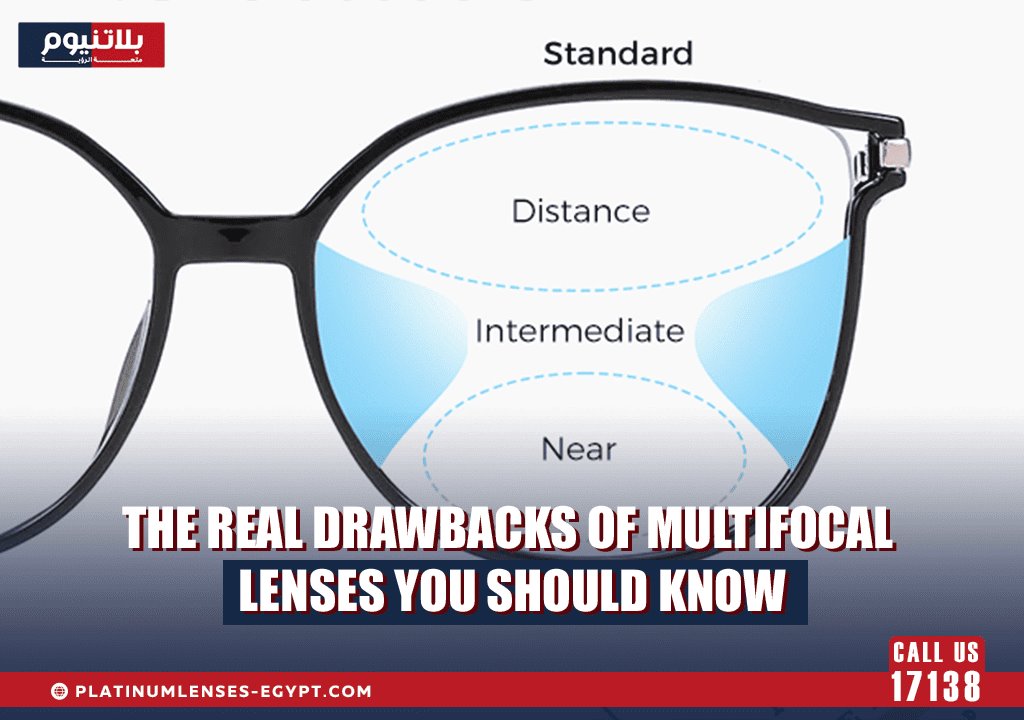 العدسات متعددة البؤر (مالتي فوكل)
 The Real Drawbacks of Multifocal Lenses You Should Know
Learn multifocal lenses drawbacks, from adaptation time and side distortion to night glare, cost, fitting issues and when they may not be right
Read more ->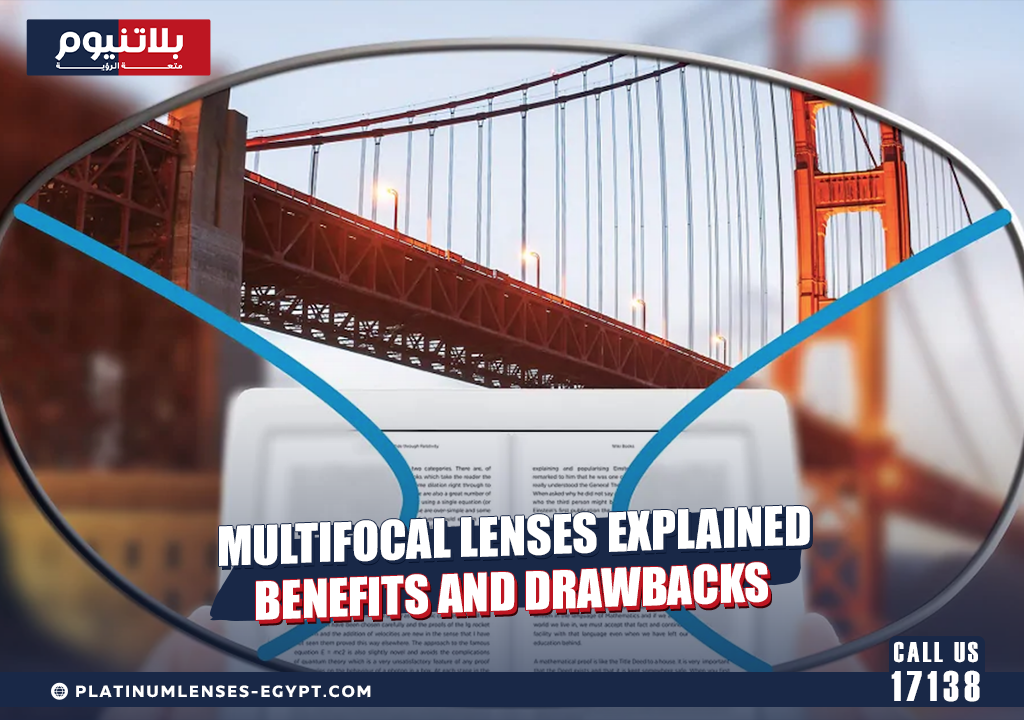 العدسات متعددة البؤر (مالتي فوكل)
 Multifocal Lenses Explained: Benefits and Drawbacks
What are lenses disadvantages and advantages? Multifocal lenses, which come in contact and eyeglass forms, are something you can wear. You may lose your close-up vision as you age due to changes in your eyesight. Presbyopia is the term used to describe this shift in eyesight. To improve reading clarity, you must hold t
Read more -> العدسات متعددة البؤر (مالتي فوكل)
 Understanding Progressive Lenses: When to Recommend X-Tend or X-Perience
X-Tend vs X-Perience progressive lenses: Which is right for you? Compare features, benefits & ideal use cases for presbyopia correction after 40. Expert guide.
Read more -> العدسات متعددة البؤر (مالتي فوكل)
 The Evolution of Progressive Lenses How Digital Surfacing Enhances Visual Precision
Discover the evolution of progressive lenses and how digital surfacing technology enhances visual precision, offering sharper vision and improved comfort for wearers.
Read more -> العدسات متعددة البؤر (مالتي فوكل)
 Steady Methodology vs. Conventional Progressive Lens Designs
Discover the differences between Steady Methodology and conventional progressive lens designs. Learn how advanced lens technology enhances vision stability, reduces distortions, and improves wearer comfort.
Read more ->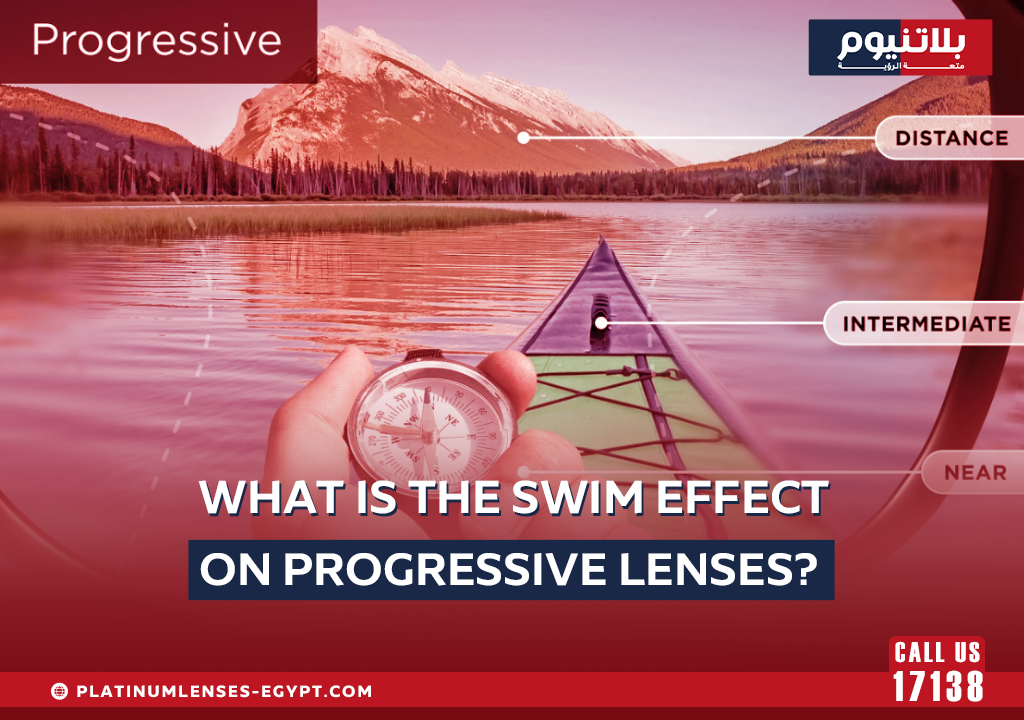 العدسات متعددة البؤر (مالتي فوكل)
 What is the swim effect on progressive lenses
Discover what the swim effect in progressive lenses is, how it impacts vision, and the best ways to reduce distortions for a smoother visual experience.
Read more ->