
The Real Drawbacks of Multifocal Lenses You Should Know
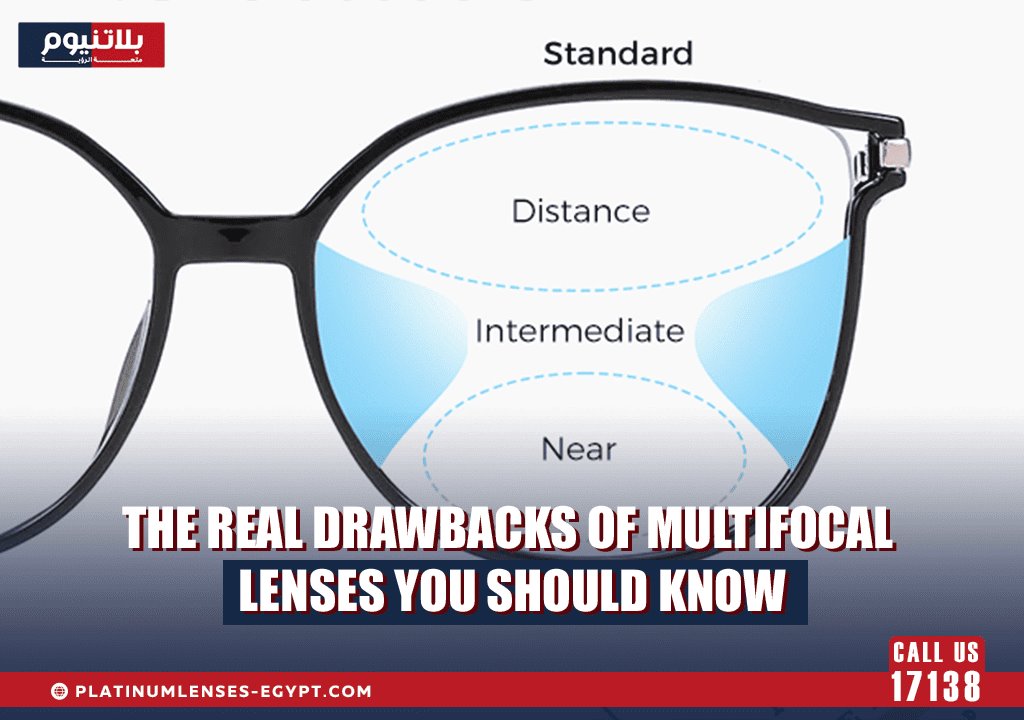
عيوب العدسات متعددة البؤر (المالتي فوكل) ليست سببًا لتجنّبها، لكنها أمور تحتاج إلى معرفتها قبل شراء نظارتك. هذه العدسات تحل مشكلة حقيقية لمن يحتاجون رؤية واضحة للقريب والمتوسط والبعيد في نظارة واحدة، إلا أنها تتطلب قياسات دقيقة، إطارًا مناسبًا، وفترة تأقلم قصيرة. إن اخترتها بسرعة دون مراجعة نمط حياتك، فقد تشعر بعدم راحة بدل أن تسهّل يومك.
ما هي عيوب العدسات المالتي فوكل بالضبط؟
عيوب العدسات المالتي فوكل تظهر عادةً حين لا تكون العدسة متوافقة مع مقاس عينك أو نمط حياتك أو قدرتك على التأقلم. تحتوي هذه العدسة على أكثر من منطقة رؤية داخل نفس السطح، لذلك تحتاج عيناك ودماغك إلى تعلّم استخدام المنطقة الصحيحة لكل مسافة: أعلى العدسة للبعيد، الوسط للمسافة المتوسطة (الشاشة)، وأسفلها للقراءة.
هذا لا يعني أن المالتي فوكل خيار سيّئ. بالعكس، هي من أكثر الحلول عملية لمن يقرأ ويعمل على الشاشة ويقود سيارته ويتنقّل بين مهام بصرية مختلفة في نفس اليوم. المشكلة تبدأ فقط حين يتوقّع أحدهم أنها ستشعره بالراحة نفسها للعدسات أحادية الرؤية من أول ساعة استخدام. لفهم منطق هذه التصاميم من الأساس، راجع دليل العدسات التقدّمية الكامل قبل الشراء. لعرض أوسع لبقية المقالات في هذا العنقود، تصفّح كل مقالات فئة العدسات المالتي فوكل وستجد مقارنات وتجارب واقعية تكمّل ما تقرأه هنا.
فهم هذه العيوب مبكرًا يساعدك على اتخاذ قرار بتوقّعات واقعية. أنت لا تختار مجرد عدسة أقوى، بل تصميمًا يحتاج إلى تركيب دقيق وقليلًا من الصبر في الأيام الأولى.
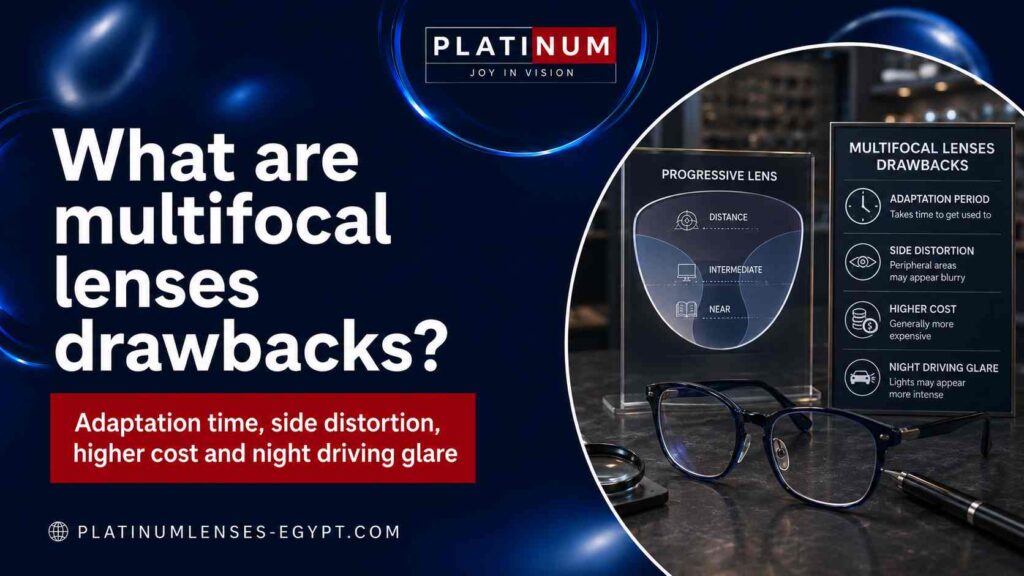
لماذا تحتاج المالتي فوكل قياسات دقيقة؟
عيوب العدسات المالتي فوكل تصبح أكثر وضوحًا عندما يكون التركيب غير دقيق، لأن تفاصيل صغيرة قد تُغيّر التجربة كلها. ارتفاع الإطار، موضع البؤبؤ (PD)، مسافة القراءة، عادات العمل، وأرقام الوصفة كلها عوامل تؤثر على راحة العدسة في الاستخدام اليومي.
إن لم يكن القياس دقيقًا، قد تشعر أن منطقة القراءة منخفضة جدًا، أو أن منطقة البُعد ليست حادة كفاية، أو أن أطراف العدسة تُظهر تشوّهًا أكبر من الطبيعي. لذلك، الخطوة الأولى دائمًا هي تقييم شامل من أخصائي بصريات مدرَّب، لا مجرد اختيار عدسة لأن اسمها متقدّم أو لأن صديقًا ينصح بها. لعمق أكبر حول هذه النقطة تحديدًا، اطّلع على لماذا تحتاج المالتي فوكل تركيبًا وقياسًا دقيقًا — ستفهم لماذا نصف نجاح العدسة في المعمل والنصف الآخر في محل النظارات.
لماذا تحتاج فترة تأقلم؟
من أكثر عيوب العدسات المالتي فوكل شيوعًا هي فترة التأقلم. المستخدم الجديد قد يحتاج إلى بضعة أيام أو أحيانًا أسبوعين ليشعر بأن العدسة أصبحت طبيعية، لأن العين يجب أن تتعلّم أين تنظر لكل مسافة داخل نفس العدسة.
في البداية، قد يشعر البعض أنه يحتاج إلى تحريك رأسه أكثر من المعتاد بدل تحريك عينه فقط. هذا الإحساس يظهر عند القراءة، أو النزول على السلالم، أو التنقّل السريع بين الهاتف وشاشة بعيدة. الأمر يتحسّن غالبًا حين يكون تصميم العدسة مناسبًا ويستخدمها صاحبها باستمرار، لا فقط عند الحاجة. للمقارنة بين نظارة القراءة والتقدّمية من زاوية عملية، راجع نظارة القراءة أم العدسات التقدّمية؟ فالخيار قد يعتمد على نمط حياتك أكثر من مقاس النظر.
ما الذي يسبّب التشوّه الجانبي؟
التشوّه الجانبي هو أشهر ما يلاحظه المستخدمون في التصاميم التقدّمية. مركز العدسة عادةً أكثر وضوحًا، بينما أطرافها قد تشعر بأنها أنعم أو مشوّشة قليلًا، بسبب طريقة دمج القوى المختلفة داخل عدسة واحدة.
يظهر هذا التشوّه أكثر عند المشي في أماكن مزدحمة أو النظر بشكل جانبي سريع. لا يؤثر على الجميع بالدرجة نفسها، والتصاميم الرقمية الحديثة (Free-form) خفّضته بشكل واضح، لكنه يبقى شيئًا يجب أن يعرفه المرتدي الجديد قبل الشراء. الفكرة أن ما يُسمّى «Corridor» (ممر الرؤية الواضحة) يتغيّر من تصميم لآخر، فكلما كان الممر أعرض، قلّ التشوّه الجانبي.
لماذا تكون المالتي فوكل أغلى؟
السعر الأعلى من العيوب العملية للمالتي فوكل، لأن هذه العدسات تكلّف أكثر من العدسات أحادية الرؤية. تصميمها أكثر تعقيدًا، ويُصنَع لدعم أكثر من مسافة رؤية بقياسات دقيقة وتكنولوجيا إنتاج متقدّمة (Digital Surfacing وFree-form).
السعر التقديري في السوق المصري للعدسات التقدّمية يبدأ من فئة عالية وقد يرتفع بحسب معامل الانكسار والطلاء وتصميم المصنع؛ للسعر المؤكد تواصل مع أقرب فرع من فروع بلاتنيوم. قد يبدو السعر مرتفعًا لكن يصبح منطقيًا إن كنت ستوفّر نظارتَي قراءة وبُعد منفصلتين، وستستخدم النظارة الواحدة طوال اليوم. المقارنة الأصح ليست مع سعر عدسة أساسية، بل مع تكلفة نمط حياتك الفعلي واحتياجاتك اليومية. للمزيد عن فوائد هذه التصاميم مقابل عيوبها، اقرأ أهم فوائد ونصائح العدسات التقدّمية.
هل تسبّب المالتي فوكل إجهاد العين؟
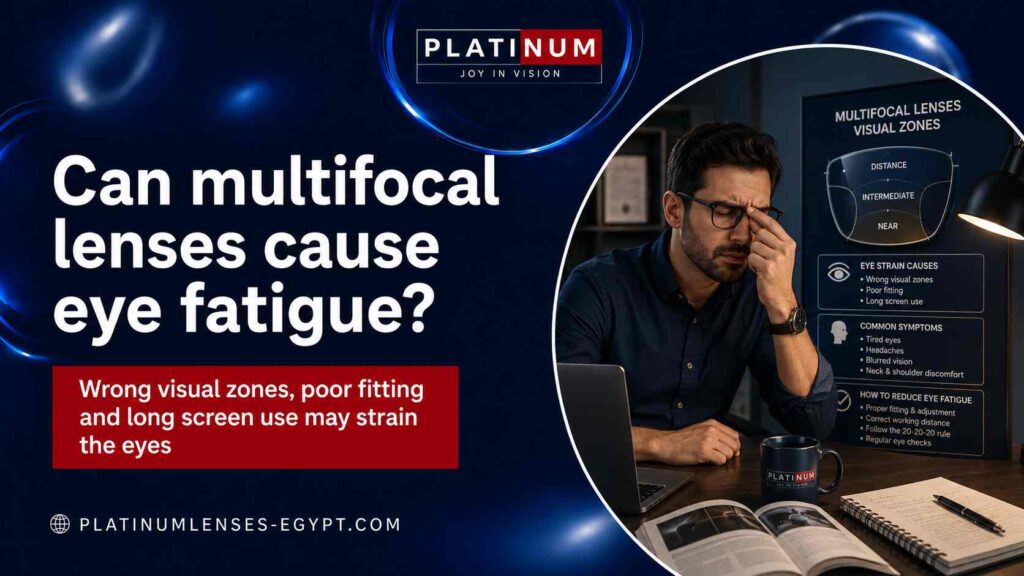
إجهاد العين قد يكون واحدًا من عيوب العدسات المالتي فوكل إن لم تُضبَط بدقة، أو إذا كان المستخدم ينظر عبر المنطقة الخاطئة لمهمة طويلة. مثلًا، القراءة الطويلة عبر منطقة قريبة ضيقة، أو العمل على الحاسوب عبر جزء غير مخصّص للمسافة المتوسطة، قد يجعل العين تشتغل أكثر مما يجب.
هذا ليس دائمًا عيبًا في العدسة نفسها. أحيانًا يحتاج الإطار إلى تعديل، أو ارتفاع العدسة يحتاج مراجعة، أو المستخدم يحتاج تصميم عدسة أنسب للمكتب. لو كان روتينك اليومي يشمل ساعات طويلة أمام الشاشة، ناقش مع أخصائي البصريات ما إن كانت المالتي فوكل القياسية كافية أم أنك تحتاج عدسة مكتب (Office Lens) ذات ممر متوسط أعرض. أي أعراض بصرية مستمرة (صداع، ازدواج، ضبابية لا تزول) → استشر أخصائي البصريات أو طبيب العيون.
هل تؤثر المالتي فوكل على القيادة الليلية؟
القيادة الليلية قد تكون أحد عيوب العدسات المالتي فوكل عند بعض المستخدمين، خاصة خلال فترة التأقلم الأولى. البعض يلاحظ وهجًا، هالات حول أضواء السيارات، أو ثقة أقل عند النظر إلى أضواء الشوارع أو لوحات الطريق العاكسة.
هذا لا يعني أن كل مرتدي مالتي فوكل سيعاني ليلًا، لكن السائق الذي يعتمد على القيادة الليلية بكثرة يجب أن يكون صريحًا مع أخصائي البصريات قبل اختيار العدسة. جودة الطلاء المضاد للانعكاس (AR)، وتصميم العدسة، ودقة القياس، كلها عوامل قد تُحدث فرقًا حقيقيًا. سبق أن راجعنا كل محتوى بلاتنيوم الطبي عبر السياسة التحريرية لضمان أن كل توصية مثل هذه مرتبطة بحالة استخدام حقيقية لا بترويج تجاري.
من قد يواجه صعوبة أكبر مع المالتي فوكل؟
بعض المستخدمين يتأقلمون بسرعة، وآخرون يحتاجون دعمًا أكبر ووقتًا. عيوب المالتي فوكل قد تكون أصعب على:
- الأشخاص الحسّاسين جدًا للتغيّرات البصرية.
- من يعانون من جفاف العين المزمن.
- السائقين الذين يعتمدون كثيرًا على الرؤية الليلية.
- من يعملون ساعات طويلة على الشاشة دون فترات راحة.
- كبار السن الذين تأخّروا في ارتداء أول نظارة تقدّمية.
صحة العين نفسها مهمة أيضًا. إن كانت هناك مشاكل شبكية، مياه بيضاء غير معالجة، أو حالات أخرى تؤثر على وضوح الرؤية، قد تكون النتيجة أقل راحة من المتوقّع. في هذه الحالات، الأفضل أن يشرح طبيب العيون أو أخصائي البصريات ما إن كانت المالتي فوكل مناسبة، أم أن هناك خيارًا أكثر أمانًا.
متى يجب تجنّب المالتي فوكل؟
عيوب المالتي فوكل قد يصعب التعامل معها إن كان في عينك حالة تؤثر على الوضوح بطريقة لا تستطيع العدسة حلها، أو إذا كان عملك يتطلّب أداءً بصريًا محددًا لا يتوافق مع تقسيم مناطق الرؤية داخل العدسة.
من يحتاج رؤية جانبية حادة جدًا (مثل بعض الرياضيين والحرفيين)، أو يعمل في إضاءة صعبة، أو لا يستطيع تحمّل أي فترة تأقلم، قد يحتاج حلًا مختلفًا. هذا لا يعني أن المالتي فوكل خطأ في حد ذاتها، بل أنها يجب أن تُرشَّح بعد نقاش حقيقي عن روتينك وتوقّعاتك.
مقارنة سريعة: المالتي فوكل مقابل أحادية الرؤية
الجدول التالي يمنحك رؤية مبسّطة للفروق قبل اتخاذ القرار:
| الميزة | العدسات المالتي فوكل | العدسات أحادية الرؤية |
|---|---|---|
| مسافات الرؤية | قريب + متوسط + بعيد | مسافة واحدة رئيسية |
| فترة التأقلم | تحتاج أيامًا إلى أسبوعين | سهلة عادةً |
| السعر التقديري | أعلى | أقل |
| التشوّه الجانبي | ممكن في بعض التصاميم | نادر جدًا |
| ملاءمة اليوم الكامل | عالية بعد التأقلم | محدودة بمسافة واحدة |
| دقة القياس المطلوبة | حرجة جدًا (PD + ارتفاع) | مهمة لكنها أبسط |
| التكلفة على المدى الطويل | نظارة واحدة تُغني عن اثنتين | قد تحتاج نظارتين منفصلتين |
الجدول لا يعني أن نوعًا أفضل من الآخر مطلقًا. العدسة أحادية الرؤية قد تكون مثالية لمن له احتياج بصري واحد، بينما المالتي فوكل قد تكون أكثر عملية لمن يحتاج أكثر من مسافة كل يوم.
من واقع تجربتنا في فروع بلاتنيوم
نلاحظ في فروعنا أن أكثر من 70% من شكاوى المالتي فوكل في الأسبوع الأول لا تكون في العدسة نفسها، بل في ارتفاع الإطار أو زاوية جلوسه على الأنف. حين يُعاد ضبط الإطار بشكل صحيح، تختفي معظم الشكاوى دون تغيير العدسة. النصيحة العملية: لا تحكم على المالتي فوكل من أول يومين، وعُد إلى الفرع الذي اشتريت منه لضبط الإطار قبل الشعور بأن العدسة «لا تناسبك». أخصائي البصريات يستطيع رفع أو خفض العدسة بمقدار مليمترات قليلة تُغيّر التجربة تمامًا.
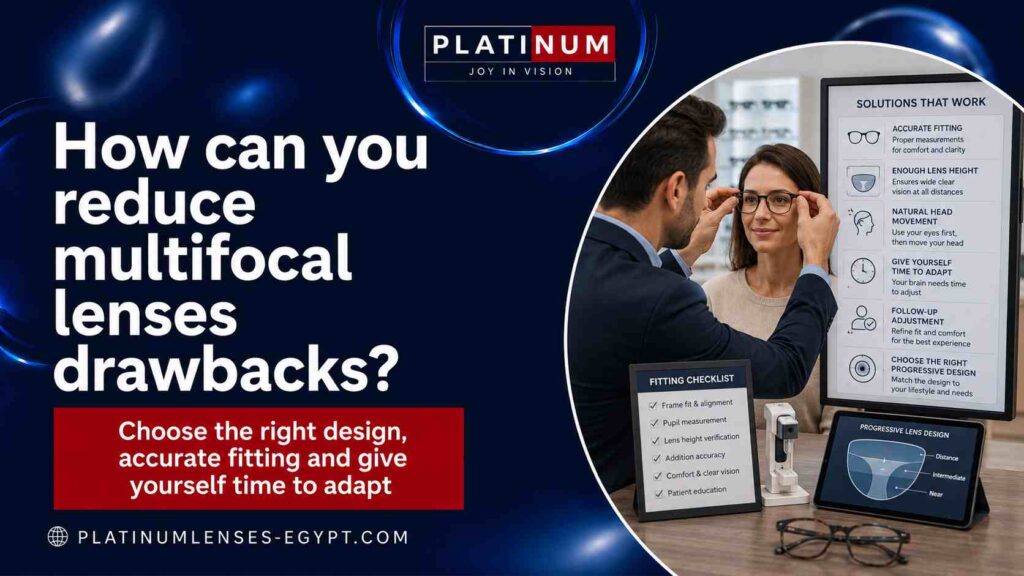
كيف تقلّل من عيوب المالتي فوكل عمليًا؟
معظم عيوب هذه العدسات تصبح أسهل في الإدارة حين تُختار العدسة بعناية ويعرف مرتديها ما يجب توقّعه. الأيام الأولى لا يجب الحكم عليها سريعًا، لكن عدم الراحة أيضًا لا يجب تجاهله.
- اختر تصميمًا رقميًا متقدّمًا (Free-form) بدل التصميم التقليدي.
- تأكد أن الإطار يمنح ارتفاعًا كافيًا لعدسة تحوي منطقة قراءة مريحة (لا تختر إطارًا رفيعًا جدًا).
- اطلب من أخصائي البصريات قياس موضع البؤبؤ (PD) وارتفاع العين بدقة.
- ابدأ ارتداء العدسة في مواقف يومية عادية قبل الحكم عليها في القيادة أو العمل الطويل.
- حرّك رأسك وعينيك بشكل طبيعي خلال التأقلم، ولا تحاول «تجميد» الرأس.
- عد إلى الفرع لضبط الإطار إن شعرت بعدم راحة عند القراءة، السلالم، أو النظر البعيد.
- اختر طلاءً مضاد الانعكاس عالي الجودة، خاصةً إن كنت تقود ليلًا.
هذه الخطوات تجعل التجربة أكثر سلاسة، خاصة لمرتدي المالتي فوكل لأول مرة، وتقلّل من احتمالية إلقاء اللوم على العدسة بينما المشكلة الحقيقية في الإطار أو دقة القياس.
أي عدسات بلاتنيوم قد تساعد؟
تقدّم عدسات بلاتنيوم مجموعة من التصاميم التقدّمية المخصّصة لمن يحتاج رؤية أوضح عبر أكثر من مسافة. سلسلتا X Tend وX Perience تفيدان حين يكون الهدف انتقالًا أنعم بين القريب والمتوسط والبعيد، خاصة للمستخدمين الباحثين عن بديل أكثر تطوّرًا من التصاميم المالتي فوكل الأساسية. هذه الخيارات صُنعت أساسًا لتقليل التشوّه الجانبي وتوسيع «ممر الرؤية».
الاختيار الصحيح يعتمد على مقاسك، إطارك، ونمط حياتك. من يقرأ معظم يومه قد لا يحتاج التصميم نفسه الذي يحتاجه من يقود ويعمل على الشاشة ويتنقّل بين مسافات مختلفة. عيوب المالتي فوكل تصبح أسهل في التقليل عندما يُختار التصميم بناءً على استخدامك الفعلي لا فقط على اسم العدسة.
متى تكون المالتي فوكل هي الحل المناسب لك؟
قد تكون مرشحًا جيدًا للعدسات المالتي فوكل إن كنت تحتاج أكثر من مسافة رؤية، وتشعر بتعب من التنقّل بين نظارة قراءة ونظارة بُعد. هي مفيدة بشكل خاص بعد بداية قصر النظر الشيخوخي (Presbyopia)، حين تصبح الرؤية القريبة أصعب مع بقاء الرؤية البعيدة مطلوبة. لعرض شامل للخيارات المتاحة في هذه الحالة تحديدًا، تصفّح حلول قصر النظر الشيخوخي قبل تحديد نوع العدسة.
الأهم هو توقّعاتك الواقعية. عيوب المالتي فوكل لا تعني أن العدسة ستفشل، بل تعني أنك يجب أن تتوقّع فترة تأقلم، قياسات دقيقة، وتركيب إطار مناسب. حين تُدار هذه التفاصيل جيدًا، تجعل المالتي فوكل يومك البصري أكثر راحة بشكل كبير.
كيف تساعدك بلاتنيوم في اختيار آمن؟
يمكن لأخصائي البصريات في بلاتنيوم مساعدتك في فهم ما إن كانت المالتي فوكل تناسب مقاسك وروتينك قبل الشراء. بدل الاختيار فقط باسم العدسة، الأفضل أن نراجع معك:
- مسافة عملك (شاشة، قراءة ورقية، اجتماعات).
- ساعات استخدام الشاشة اليومية.
- عادات القيادة، خاصة ليلًا.
- حساسيتك للوهج والانعكاسات.
- شكل الإطار المفضّل ومدى ارتفاعه.
هذا الأسلوب يقلّل عيوب المالتي فوكل الشائعة التي تجعل بعض الناس غير راضين. الهدف ليس بيع عدسة متقدّمة، بل اختيار تصميم يشعرك بالوضوح والراحة في يومك الحقيقي. جميع محتوى بلاتنيوم الطبي مراجَع من الفريق الطبي وفق السياسة التحريرية، وأي شكوى مستمرة (صداع، ازدواج، ألم) بعد التأقلم → استشر أخصائي البصريات أو طبيب العيون.
للاستشارة أو المراجعة، تواصل مع أقرب فرع من فروع بلاتنيوم وسيساعدك الفريق على تحديد التصميم الأنسب لحالتك.
الخلاصة
عيوب العدسات المالتي فوكل حقيقية لكنها قابلة للتقليل: فترة تأقلم، تشوّه جانبي، سعر أعلى، إجهاد بصري محتمل، ووهج ليلي عند بعض المستخدمين. أغلب هذه العيوب يختفي أو يصبح مقبولًا حين تختار تصميمًا رقميًا متقدّمًا، إطارًا مناسبًا، وأخصائي بصريات دقيقًا في القياس. المالتي فوكل ليست الحل لكل شخص، لكنها لمن يحتاج أكثر من مسافة رؤية في يومه توفير حقيقي في الوقت والراحة. الأهم أن تدخل في تجربتها بتوقّعات واقعية، ولا تحكم عليها من أول يوم — بل تعطيها الفرصة الطبيعية للتأقلم مع اتباع خطوات التركيب الصحيحة.
قبل الشراء، خصّص وقتًا لمراجعة القياسات مع أخصائي البصريات، اطلب تجربة الإطار وأنت جالس بوضعك الطبيعي في العمل أو أمام الشاشة، وتأكد أن ارتفاع الحدقة داخل الإطار كافٍ للمنطقة القريبة. لو كنت من مستخدمي الشاشة لساعات طويلة، اسأل تحديدًا عن تصاميم المكتب كبديل داعم، لا كمنافس. ولو كانت هذه أول تجربة لك مع العدسات التقدّمية، خصّص أسبوعًا كاملًا للتأقلم قبل أي حكم، مع الالتزام بارتدائها طوال اليوم لا التنقّل بينها وبين نظارة قراءة قديمة. هذه التفاصيل الصغيرة هي التي تفصل بين تجربة ناجحة تجعلك تنسى وجود العدسة على وجهك، وتجربة محبطة تُلقي فيها اللوم على تكنولوجيا هي في حد ذاتها ممتازة، لكن التركيب أفسد قيمتها.
Related Articles
View all articles →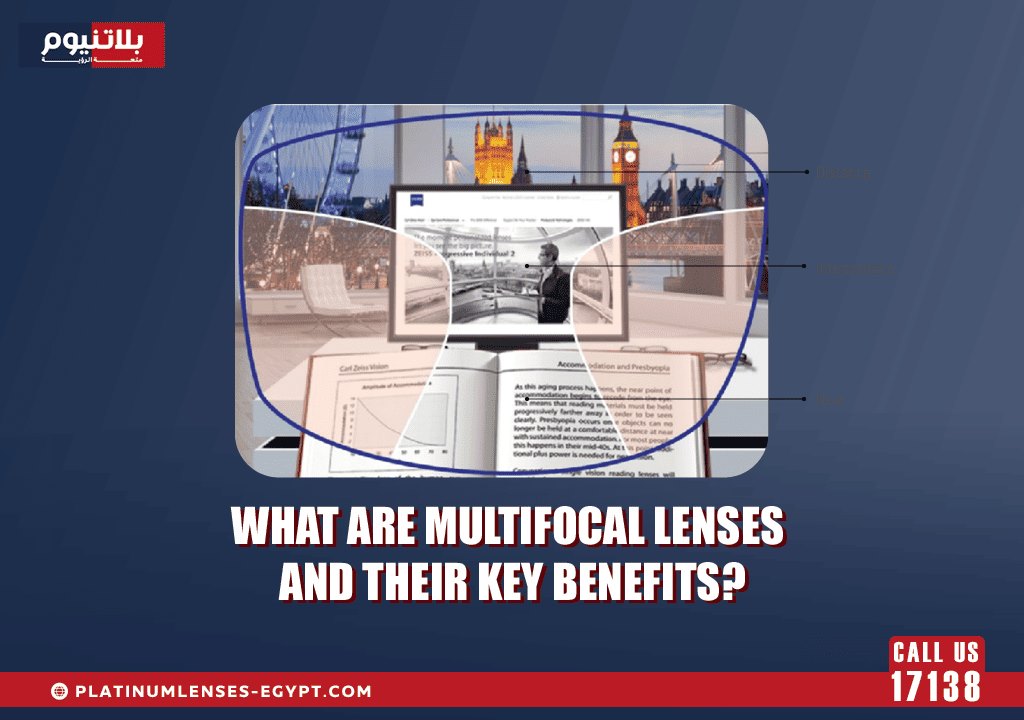 العدسات متعددة البؤر (مالتي فوكل)
 What Are Multifocal Lenses and Their Key Benefits?
Learn what multifocal lenses are, how they work, their main types, benefits, drawbacks, and how to choose the right option for daily vision
Read more ->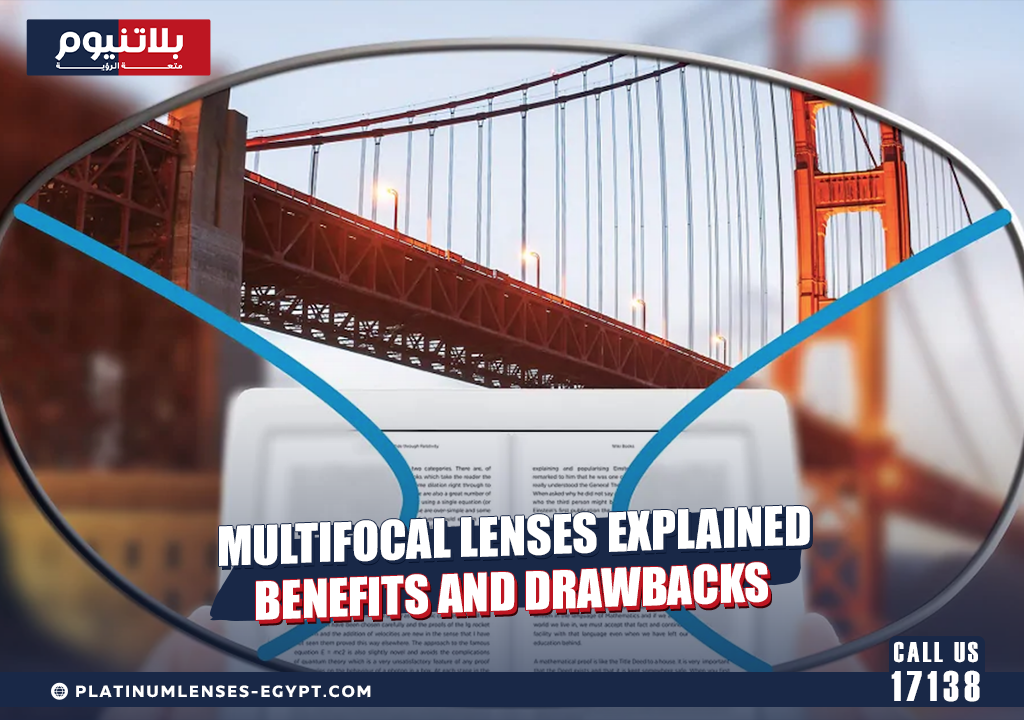 العدسات متعددة البؤر (مالتي فوكل)
 Multifocal Lenses Explained: Benefits and Drawbacks
What are lenses disadvantages and advantages? Multifocal lenses, which come in contact and eyeglass forms, are something you can wear. You may lose your close-up vision as you age due to changes in your eyesight. Presbyopia is the term used to describe this shift in eyesight. To improve reading clarity, you must hold t
Read more -> العدسات متعددة البؤر (مالتي فوكل)
 Understanding Progressive Lenses: When to Recommend X-Tend or X-Perience
X-Tend vs X-Perience progressive lenses: Which is right for you? Compare features, benefits & ideal use cases for presbyopia correction after 40. Expert guide.
Read more -> العدسات متعددة البؤر (مالتي فوكل)
 The Evolution of Progressive Lenses How Digital Surfacing Enhances Visual Precision
Discover the evolution of progressive lenses and how digital surfacing technology enhances visual precision, offering sharper vision and improved comfort for wearers.
Read more -> العدسات متعددة البؤر (مالتي فوكل)
 Steady Methodology vs. Conventional Progressive Lens Designs
Discover the differences between Steady Methodology and conventional progressive lens designs. Learn how advanced lens technology enhances vision stability, reduces distortions, and improves wearer comfort.
Read more ->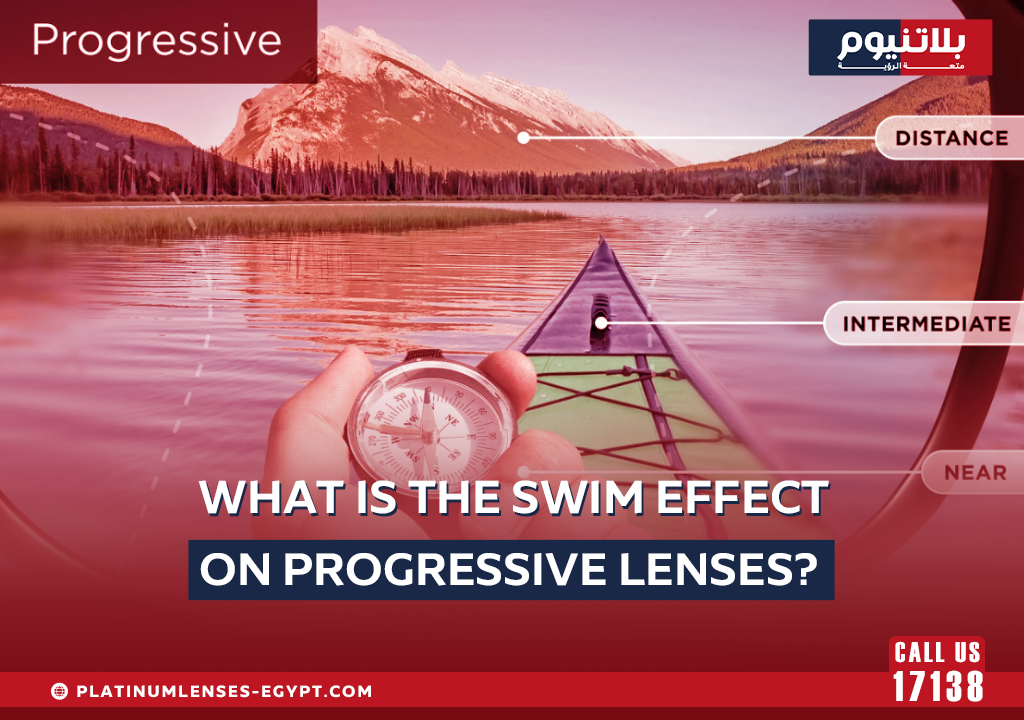 العدسات متعددة البؤر (مالتي فوكل)
 What is the swim effect on progressive lenses
Discover what the swim effect in progressive lenses is, how it impacts vision, and the best ways to reduce distortions for a smoother visual experience.
Read more ->