Eye Exam Frequency: How Often Should You Check Your Vision?
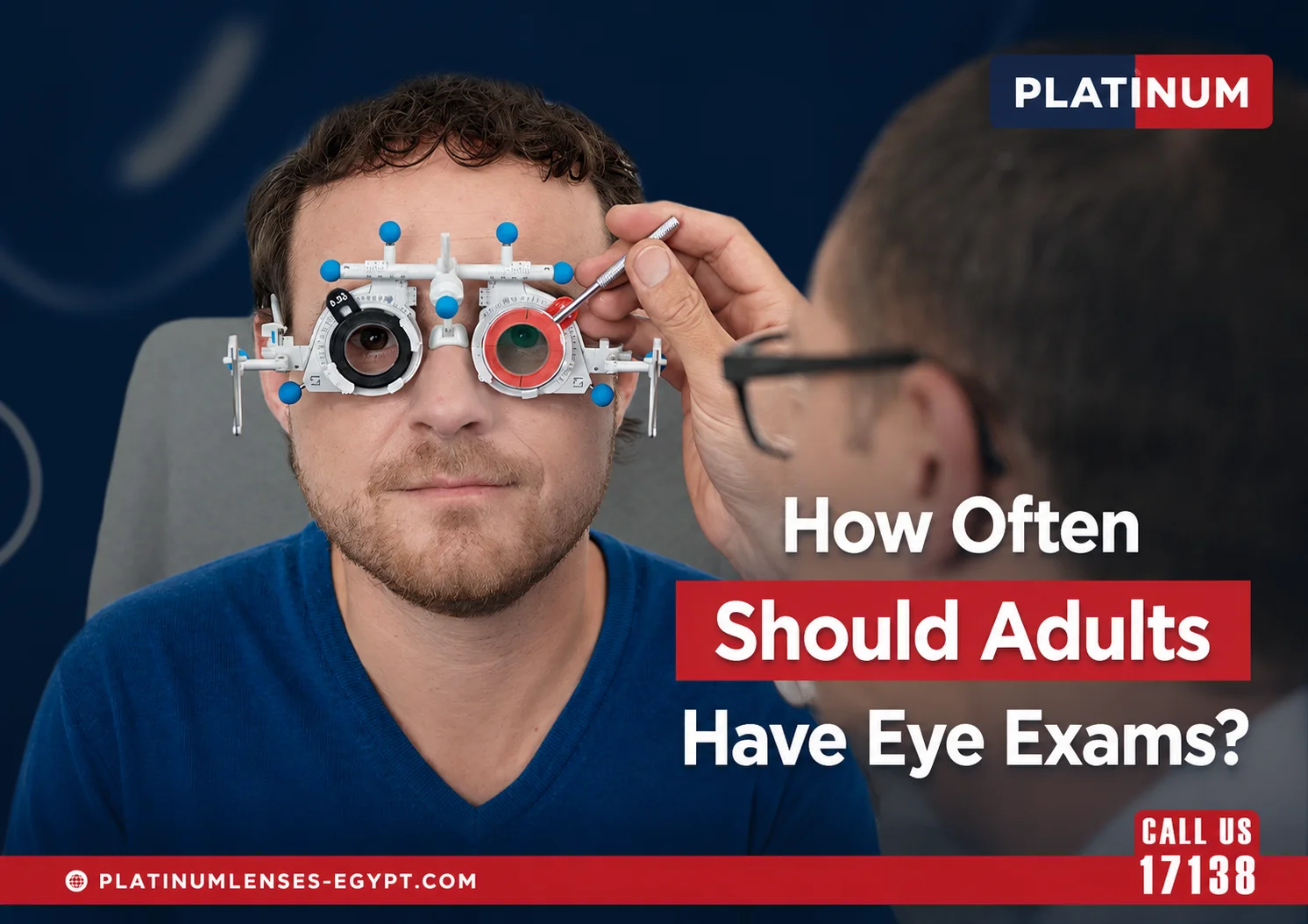
Eye Exam Frequency depends on age visual symptoms prescription changes and overall eye health Regular examinations help confirm whether your current glasses still provide clear comfortable vision and whether your prescription needs updating Eye Exam Frequency may be shorter for children adults over forty and people with diabetes headaches blurred vision or rapid visual changes An eye care professional can recommend the correct Eye Exam Frequency after examining your eyes checking visual acuity and assessing how well your lenses support reading screen use driving and everyday activities safely with guidance for long term care.
Quick Summary
- Most adults benefit from a routine eye examination every one to two years although Eye Exam Frequency depends on symptoms and medical history.
- Children may need a shorter Eye Exam Frequency because their vision can change as they grow.
- Adults over forty should monitor near vision changes and possible presbyopia when deciding Eye Exam Frequency.
- Arrange an earlier examination if you notice headaches blurred vision night vision difficulty squinting or eye strain.
- Only an eye care professional can confirm the right Eye Exam Frequency and whether your prescription or glasses should be changed.
How Often Should You Have an Eye Exam?
Eye Exam Frequency varies from one person to another because vision can remain stable for years in some people while changing more quickly in others Age prescription strength eye conditions family history general health and daily visual demands all influence the recommended Eye Exam Frequency.
- Children should have their vision checked regularly especially when they have an existing prescription learning difficulties squinting headaches or a family history of eye problems.
- Adults with stable vision often follow an Eye Exam Frequency of once every one to two years.
- Adults over forty may need a more regular Eye Exam Frequency because near vision often changes with age.
- People with diabetes glaucoma risk eye disease or sudden symptoms may need an individual Eye Exam Frequency set specifically by an ophthalmologist.
For a simpler explanation of prescription values review our guide to SPH CYL and AXIS in an eye prescription before comparing an old prescription with a new one.
How Long Can You Wear the Same Glasses?
There is no fixed period that applies to every pair of glasses Some people can use the same prescription for several years while others need an earlier update because their vision has changed The frame may also require replacement if it becomes loose damaged uncomfortable or unable to hold the lenses correctly.
A routine eye examination is more reliable than waiting for the glasses to break because an outdated prescription may still look usable while causing eye strain headaches blurred vision or difficulty focusing.
Do You Need to Wear Prescription Glasses All the Time?
Whether glasses should be worn continuously depends on the diagnosis prescription and advice of the eye care professional Some people need glasses only for reading or driving while others require them throughout the day.
- People with myopia may need glasses for distance activities or continuous daily use depending on the prescription
- People with hyperopia may need support for near work distance vision or both
- Astigmatism may require regular wear when it affects clarity comfort or visual balance
- Adults with presbyopia may use reading glasses office lenses or progressive lenses according to their daily needs
- Glasses prescribed after surgery or for a medical condition should be used exactly as directed by the treating doctor
How Can You Tell That Your Glasses Need Changing?
Several signs can indicate that your current prescription no longer provides the visual support you need These symptoms do not always mean that the glasses are the only cause so a professional examination remains important.
Frequent Headaches or Eye Strain
Headaches around the forehead or eyes may appear after reading screen use or driving when the prescription is no longer suitable or the frame is poorly fitted.
Blurred Vision
Blurred distance or near vision can indicate a change in prescription lens damage dry eye or another visual problem that should be assessed.
Difficulty Seeing at Night
Halos glare poor contrast and difficulty reading road signs at night may be linked to an outdated prescription or reflections on the lens surface.
Increased Squinting
Frequent squinting is a common attempt to improve focus temporarily and may indicate that the current glasses are not providing enough clarity.
Light Sensitivity
New or increasing sensitivity to light deserves professional assessment especially when it appears with pain redness headache or sudden visual change.
A Gradual Decline in Vision
Any progressive reduction in clarity should be checked rather than managed by changing glasses without an examination.
People who notice glare during night driving may also benefit from learning about anti reflective lenses after their prescription has been confirmed.

What Symptoms Can Appear with New Glasses?
A short adaptation period can occur after changing the prescription lens design or frame position Most mild symptoms improve as the eyes and brain adjust but persistent or severe discomfort should be reviewed by the optical professional.
- Mild temporary blur during the first days
- Headache or a pulling sensation around the eyes
- A brief feeling of dizziness or visual imbalance
- Difficulty judging depth or distance after a significant prescription change
- A fishbowl effect with some strong prescriptions or progressive lenses
Return for a recheck if symptoms are severe continue beyond the expected adaptation period or make walking driving or working unsafe.
Which Lens Types May Be Recommended After an Eye Exam?
The correct lens depends on the updated prescription age occupation screen use driving habits and preferred frame An examination confirms the visual correction while professional measurements help ensure that the lenses are positioned correctly.
HS Lenses
HS lenses may be considered for wearers who need comfortable clear vision for everyday tasks The final recommendation depends on the prescription and required viewing distances.
Young Lenses
Young lenses are designed for younger adults who use digital devices frequently and need single vision support with improved comfort during screen related tasks.
Office Lenses
Office lenses support near and intermediate vision for documents computers and indoor work They are not designed for distance driving and should be selected according to the working distance.
Progressive Lenses
Progressive lenses combine distance intermediate and near vision in one pair without visible dividing lines They may suit adults with presbyopia who need one pair for several daily activities.
Read More: Progressive Lenses Guide
When Should You Arrange an Urgent Eye Examination?
Eye Exam Frequency should not delay urgent care when sudden or severe symptoms appear Do not wait for a routine appointment if you develop sudden vision loss flashes of light a new shower of floaters severe eye pain double vision a curtain like shadow injury chemical exposure or sudden redness with reduced vision These symptoms require prompt medical assessment regardless of your usual Eye Exam Frequency.
Frequently Asked Questions
Is an Eye Exam Needed If My Glasses Still Feel Fine?
Yes routine checks can identify prescription changes and eye health issues before they become obvious Eye Exam Frequency depends on age symptoms prescription stability and medical history even when your current glasses still feel comfortable.
How Often Should Children Have an Eye Exam?
Children should follow the schedule recommended by their eye care professional Eye Exam Frequency may need to increase when a child already wears glasses has myopia experiences headaches or shows other visual symptoms.
How Often Should Adults Over Forty Check Their Vision?
Adults over forty should usually arrange regular examinations because near vision and focusing ability can change Eye Exam Frequency for this age group depends on symptoms eye health prescription changes and the possible development of presbyopia.
Can I Order New Glasses Using an Old Prescription?
An old prescription may no longer match your vision or current fitting needs A recent examination is the safest way to confirm the correct lens power and determine whether your Eye Exam Frequency should be adjusted.
Does a New Prescription Always Mean I Need a New Frame?
Not always A suitable frame may sometimes be reused if it is in good condition and can hold the new lenses safely The optical professional should inspect the frame before fitting the updated prescription.
Eye Exam Frequency should be based on age symptoms prescription stability medical history and professional advice Routine examinations help keep vision clear confirm whether the current glasses remain suitable and identify changes that should not be ignored The correct Eye Exam Frequency may be shorter when blurred vision headaches night vision difficulty eye strain or sudden visual symptoms appear.
Read More
Related Articles
View all articles →
Foggy Glasses: Causes and Effective Ways to Keep Lenses Clear
Foggy Glasses are a common problem in cold humid weather and whenever warm breath reaches a cooler lens surface The […]
Read more ->
How to Choose Rectangular Face Glasses for Your Face Shape
Rectangular Face Glasses should add width reduce visual length and create balance without making the face look narrower The best […]
Read more ->
What Are Progressive Lenses and Which Types Are Best?
Progressive lenses provide clear vision for near intermediate and distance tasks in one pair of glasses without visible dividing lines […]
Read more ->
Best Eyeglasses Store in Cairo: How to Get Real Value for Money
Best Eyeglasses Store in Cairo is not always the one offering the lowest price,The right store should combine modern lens […]
Read more ->
Home Vision Test: How to Check Your Eyesight Yourself
Home Vision Test helps you check your eyesight quickly before booking a professional examination You can use a Snellen letter […]
Read more ->
What Are the Best Japanese Prescription Lenses?
Japanese Prescription Lenses are valued for precise manufacturing advanced optical design and reliable daily comfort but origin alone does not […]
Read more ->